Key Takeaways
- Iran launched new attacks on US facilities in the Gulf following a sixth consecutive night of US strikes.
- US forces targeted Iranian military sites, including coastal surveillance and air defense sites, and maritime capabilities.
- The escalation has halted traffic through the Strait of Hormuz, pushing up global energy prices.
Iran launched fresh attacks on US facilities in the Gulf following a sixth consecutive night of US strikes. The attacks came as tensions between the two nations escalated, with both sides engaging in daily counterattacks.
According to the US Central Command, American forces, including fighter jets, aerial drones, and warships, launched precision munitions that hit dozens of Iranian military targets such as coastal surveillance and air defense sites, military logistics infrastructure, and maritime capabilities. The strikes targeted Qeshm Island and near Bandar Abbas, home to Iran’s largest port and key navy and Revolutionary Guards facilities.
Iranian media reported that five bridges were hit in the latest round of US strikes, along with the train station in coastal Bandar Khamir and Iranshahr Airport in southeastern Iran. Seven people were killed in US attacks on bridges in Bandar Khamir, a port city in southern Iran, as reported by state news agency IRNA.
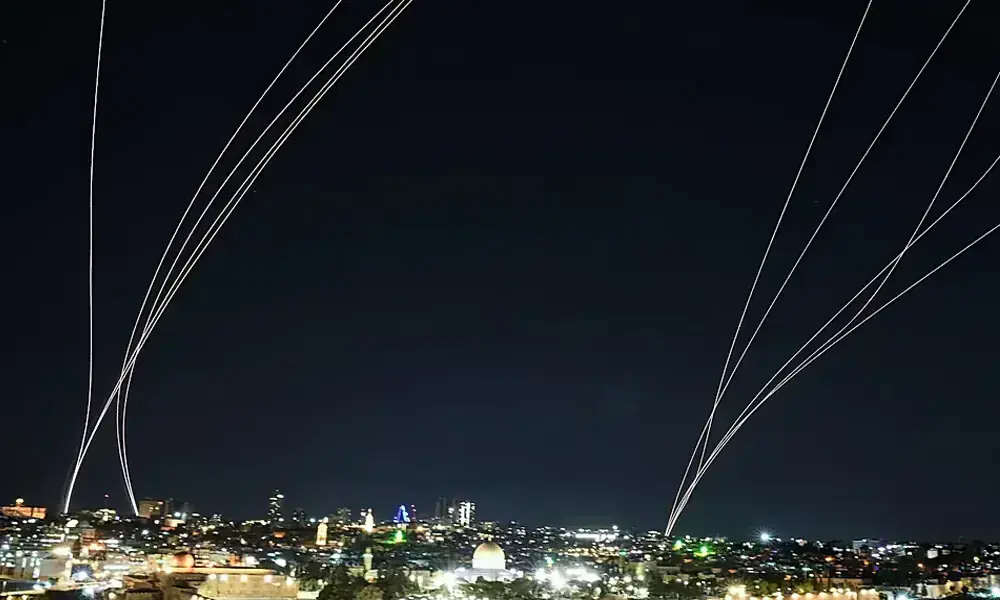
In response to the US strikes, Iran fired missiles and drones at US military bases in neighboring states, including an air base in Jordan. In the early hours of Friday, Iran’s military said it had attacked US facilities in Bahrain and Kuwait.
The escalation has once again largely halted traffic through the Strait of Hormuz, the world's most important shipping route for oil and gas. Tehran resumed its blockade of the strait, while Washington blockaded Iranian ports from Wednesday onwards.
Iran has signalled it could prod its Houthi allies in Yemen to close another key strait: the Bab al-Mandeb at the mouth of the Red Sea, sources told Reuters, if Washington attacks Iran’s infrastructure. Iran last week hit ships moving through a corridor in the strait.
Karoline Leavitt, White House press secretary, stated that US President Donald Trump would not “sit by and allow these active acts of terrorism to take place in the strait without ensuring Iran pays consequences for that.” However, she added that the president was “always open to diplomacy at the very same time.”
Within Iran, the renewed bombing has unnerved residents. The situation remains tense as both nations continue their military operations.