Key Takeaways
- Mian Zahid Hussain, president of PBIF and AKIA, calls for lower energy rates.
- He also advocates simplifying the tax system and improving logistics.
- The trade deficit has increased by 21.57% in July-June 2025-26.
Mian Zahid Hussain, President of Pakistan Businessmen and Intellectuals Forum (PBIF) & All Karachi Industrial Alliance (AKIA), has urged the government to provide energy to Pakistani industries at rates comparable with competing countries. This call comes as part of a broader set of recommendations aimed at reviving exports and ensuring sustainable economic stability.
Hussain, who is also Chairman of the National Business Group Pakistan (NBG) and Chairman of FPCCI Policy Advisory Board, emphasized the need for swift payment of refunds, simplification of the tax system, and improvement in logistics. These measures are crucial to support industry growth and competitiveness on a global scale.
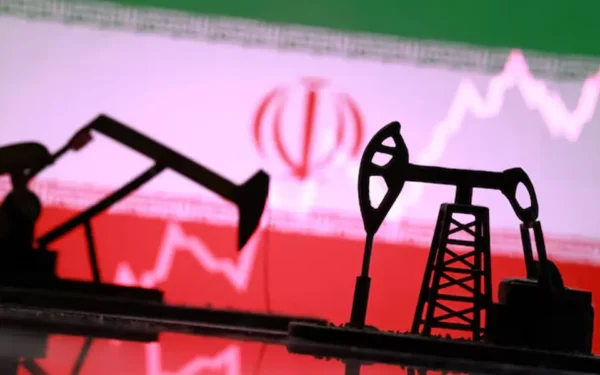
In his statement, Hussain highlighted that while Pakistan’s trade deficit is a warning sign, the government has effectively managed the negative impact of the US-Iran war and rising oil prices. However, he stressed that sustainable economic stability can only be achieved through export-led growth. He noted that although exports declined by 5.97% to USD30.126 billion during July-June 2025-26 compared to the previous year, the trade deficit increased to USD39.471 billion from USD32.467 billion.
The increase in imports by 7.89% to USD69.597 billion and a decline in exports by 5.97% to USD30.126 billion during the same period have contributed significantly to this trade deficit. Hussain pointed out that Pakistan’s heavy dependence on imports of petroleum products, LNG, raw materials, and industrial inputs makes it vulnerable to global price shocks.
He further elaborated that June 2026 was particularly challenging with an import increase to USD6.767 billion while exports remained at only USD2.239 billion, resulting in a monthly trade deficit of USD4.528 billion. Despite this pressure, the government managed external shocks effectively and did not allow panic to emerge in the external account.
Remittances from overseas Pakistanis have become the strongest pillar of the national economy, providing crucial support against the rising trade deficit. Strong remittance inflows have supported foreign exchange reserves, stabilized the rupee, reduced pressure on the current account, and limited the need for emergency borrowing. During July-May 2025-26, services exports increased by 17.38%, while the services deficit declined by 24.10%. This indicates that IT, freelancing, professional services, and digital exports are playing an important role in supporting Pakistan’s balance of payments.
However, Hussain expressed concern over the decline in goods exports, which he attributed to high energy prices, a complicated tax system, delays in refunds, and weak industrial infrastructure. He called for focused efforts on product diversification and effective access to non-traditional markets, particularly highlighting the potential for increased export of engineering goods, food products, IT services, pharmaceuticals, surgical, sports goods, minerals, and value-added agriculture.
In conclusion, Hussain’s recommendations underscore the need for a multifaceted approach to address Pakistan’s economic challenges. While remittances and services exports provide critical support, enhancing goods exports through lower energy rates and improved industrial infrastructure remains essential for sustainable economic stability.
The government has effectively handled the negative impact of the US-Iran war and rising oil prices on the economy.
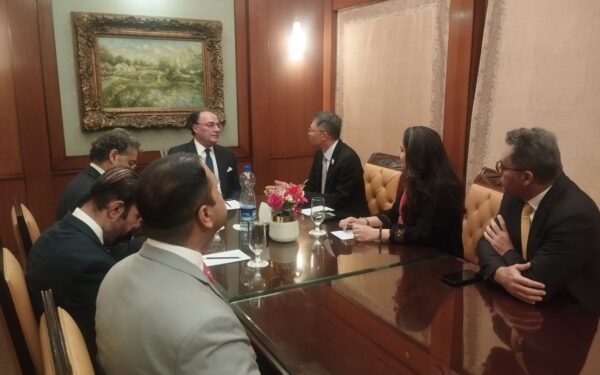
Mian Zahid Hussain, President Pakistan Businessmen and Intellectuals Forum (PBIF) & All Karachi Industrial Alliance (AKIA)