Key Takeaways
- The US military has launched a series of strikes against Iran.
- Strikes were in response to Iranian attacks on commercial vessels in the Strait of Hormuz.
- This marks the first known US military action against Iran since late last month.
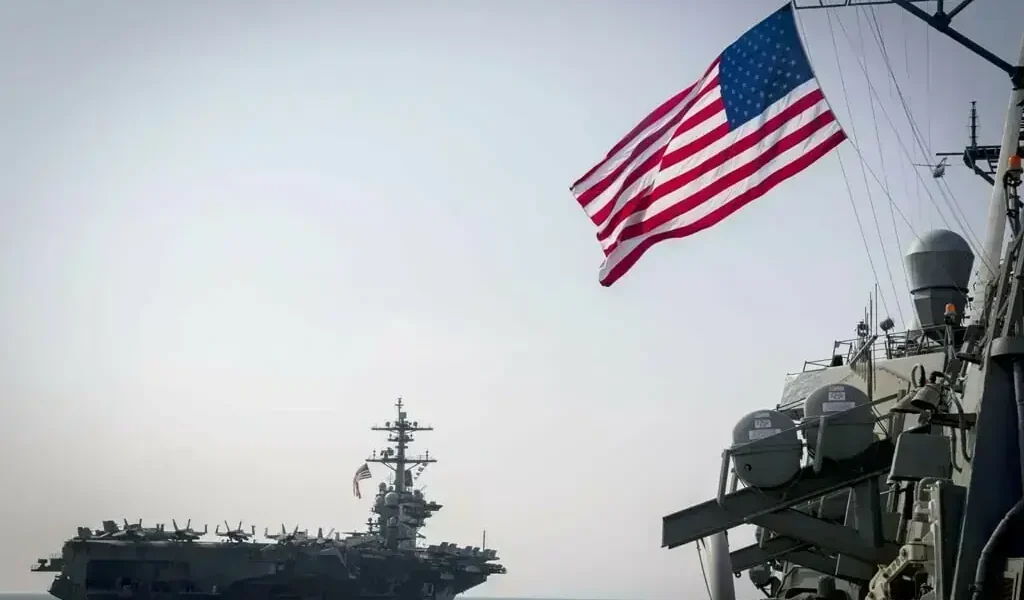
US Central Command announced that the United States military has launched a series of strikes against Iran, following reports of Iranian attacks on three commercial vessels transiting the Strait of Hormuz. The statement from US Central Command highlighted that these actions were taken to impose significant costs for targeting and attacking shipping in violation of ceasefire agreements.
In a statement released by US Central Command, it was noted that 'Iran’s demonstrated aggression was unwarranted, dangerous, and a clear violation of the ceasefire.' The military action is seen as a strong response from the United States to what it perceives as Iranian misconduct in international waters.
While details on the specific targets were not provided by US officials, Iranian media reported that six projectiles hit an area near Taheroui pier in Sirik, southern Iran. This incident marks the first known US military strikes against Iran since a series of days-long counterstrikes between both nations late last month.
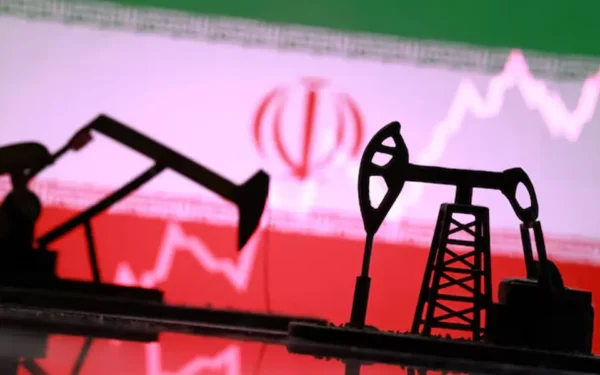
The move comes amid heightened tensions in the region and follows a period of relative calm after earlier confrontations. Analysts suggest that this action could further escalate already strained relations, potentially impacting regional stability and global oil markets, given the Strait of Hormuz's critical role as a transit route for significant volumes of crude oil.
The strikes have drawn attention from other nations in the region, with Qatar issuing a statement condemning Iran’s actions. The Qatari government expressed concern over the escalation of hostilities and called on all parties to de-escalate tensions through diplomatic means.
While the exact nature and extent of the US military response remain unclear, this development underscores the ongoing challenges in managing maritime security and regional stability in the Middle East. As international attention turns to potential consequences, both economic and political, the situation remains closely watched by global powers and local stakeholders alike.