Key Takeaways
- Iranian forces declared the Strait of Hormuz closed after days of hostilities with the US.
- The US launched aerial bombardments in retaliation for a hit on a container ship, targeting Iranian facilities.
- Tehran retaliated by launching attacks across the region, including strikes against Gulf states.
In an escalating conflict over maritime traffic through the Strait of Hormuz, Iran declared the waterway closed after six days of hostilities with the United States. The move comes as both sides have exchanged heavy missile and drone assaults in a series of retaliatory strikes.
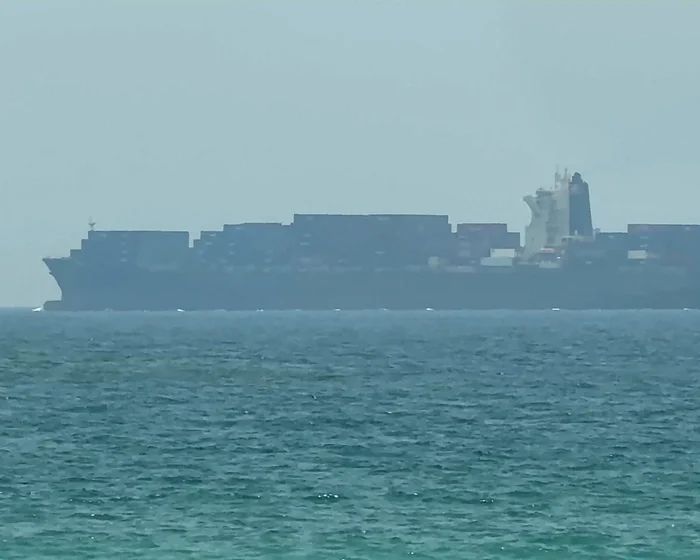
On Sunday, Iranian forces launched wide-ranging attacks on US allies and bases across the region, following an earlier incident where a container ship was reportedly hit by Iranian missiles. In response, the US conducted aerial bombardments targeting Iranian facilities, with some reports indicating that some ships were still crossing the strait despite the closure.

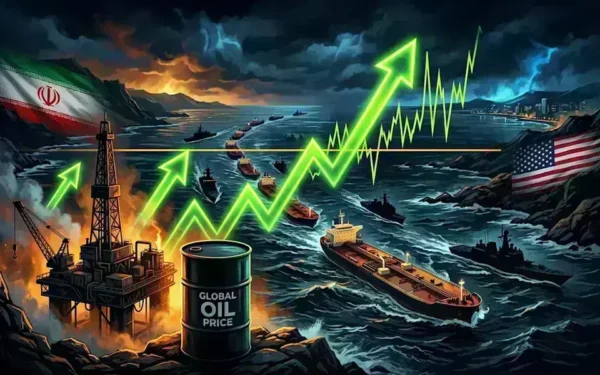
The Islamic Revolutionary Guard Corps (IRGC) announced the closure of the Strait of Hormuz on Sunday, reversing an agreement signed last month aimed at restoring maritime traffic and paving the way for a broader peace deal. The move has significant implications for global oil markets, as the strait is crucial for the passage of about 20% of the world's seaborne crude oil.
The US insisted that the Strait of Hormuz remained open, stating that some ships were still crossing the waterway despite Iranian claims to the contrary. The US military has been closely monitoring the situation and maintaining a presence in the region to ensure freedom of navigation.
Tehran's actions have drawn condemnation from regional allies and international organizations concerned about the stability of global oil supplies. The conflict has raised tensions between Iran and the United States, with both sides accusing each other of violating international law and threatening regional security.
The exchange of strikes highlights the ongoing geopolitical tensions in the Middle East, where the Strait of Hormuz serves as a critical chokepoint for global energy trade. Both countries have been engaged in a series of confrontations over the past few months, with this latest incident marking a significant escalation.
As the situation remains volatile, both Iran and the US are under pressure to de-escalate tensions and find a diplomatic solution. However, given the current state of affairs, it is unclear whether any immediate resolution can be reached in the near future.