Key Takeaways
- The LPG Importers Association of Pakistan (LPGIAP) warns of a serious nationwide shortage in the next two to three days.
- They urge an emergency meeting with stakeholders to address the current pricing mechanism, which they claim is unsustainable.
- Importers and storage operators are facing heavy financial losses due to discrepancies between notified prices and actual costs.
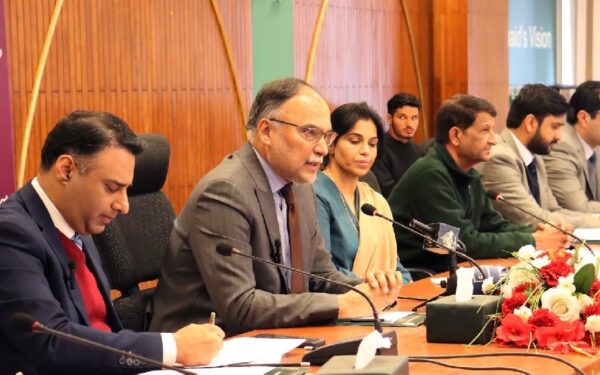
The LPG Importers Association of Pakistan (LPGIAP) has issued a stark warning, predicting a nationwide shortage of liquefied petroleum gas (LPG) in the next two to three days if immediate action is not taken. In a letter addressed to Petroleum Minister Ali Pervaiz Malik, LPGIAP Chairman Sheikh Mukarram Waheed emphasized the urgent need for intervention.
Waheed stated that unless the government convenes an emergency meeting with all relevant stakeholders, the country’s LPG supply chain could face significant disruptions. The association highlighted that the current pricing mechanism, as notified by the Oil and Gas Regulatory Authority (Ogra) on June 30, 2026, does not accurately reflect the actual landed cost of imported LPG.
The letter pointed out several factors contributing to the discrepancy between the notified price and the actual cost. These include international prices, freight charges, exchange rate fluctuations, port handling fees, inland transportation, financing costs, and other operational expenses. The association noted that these additional costs have pushed importers’ financial losses to unsustainable levels.
According to LPGIAP, several import terminals and storage facilities are already reducing or suspending their operations due to mounting losses. Waheed warned that if the existing pricing mechanism remains unchanged, more importers may be forced to shut down, threatening uninterrupted supplies across Pakistan.
The association urged the government to treat this matter as a national priority and develop a transparent, practical, and sustainable pricing framework that accurately reflects the actual cost of imported LPG. They emphasized the importance of prompt government action to safeguard energy security, maintain market stability, and prevent hardship for millions of households, commercial users, and industries dependent on LPG.
While Ogra had reduced the consumer price of LPG by Rs67.33 per kg for July, fixing it at Rs241.43 per kg from July 1, this reduction has not translated into market relief. Retailers and consumers in Lahore, Multan, and Muzaffargarh report that LPG is being sold for between Rs480 and Rs550 per kg, significantly higher than the official rate.
LPG prices have previously reached a peak of Rs480, while their price before the Middle East crisis was between Rs260 and Rs280 per kg. This disparity highlights the ongoing challenges faced by importers and consumers alike. The LPGIAP’s call for an urgent review of the pricing mechanism is seen as critical to addressing these issues and ensuring a stable supply chain.
The association concluded its letter by emphasizing that prompt government action is essential to safeguard Pakistan's energy security, maintain market stability, and prevent hardship for millions of households and industries dependent on LPG.
Unless the issue is resolved without delay, the country’s LPG supply chain could face significant disruptions.
Sheikh Mukarram Waheed, LPGIAP Chairman