Key Takeaways
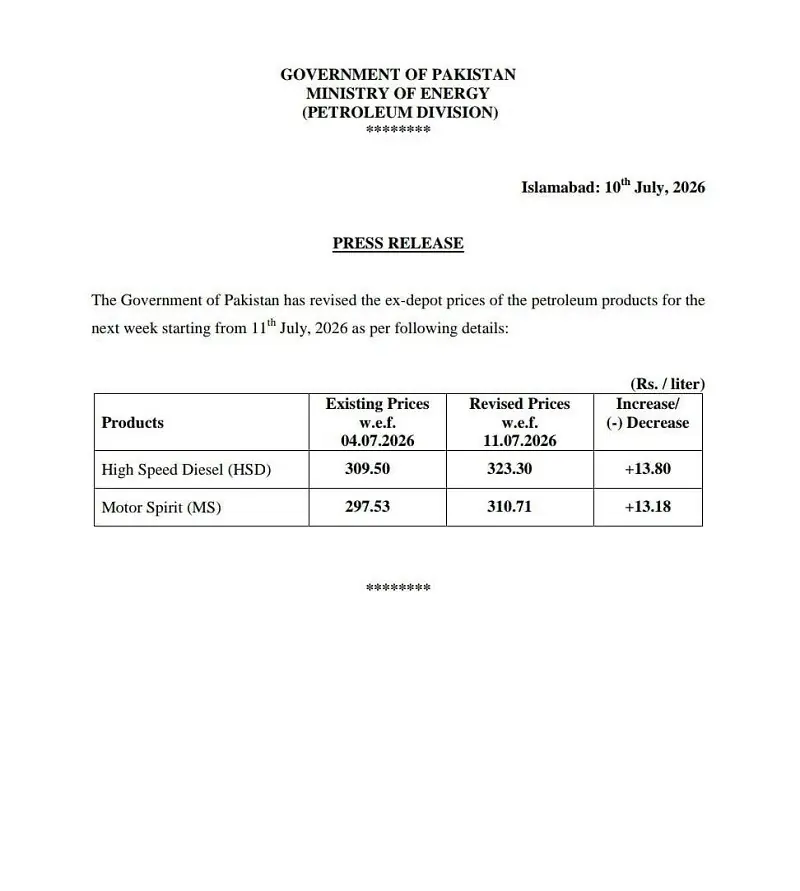
- Petrol price increased by Rs13.18 to Rs310.71 per litre.
- Diesel price raised by Rs13.80 to Rs323.30 per litre.
- Price hike follows IMF conditions and climate support levy increase.
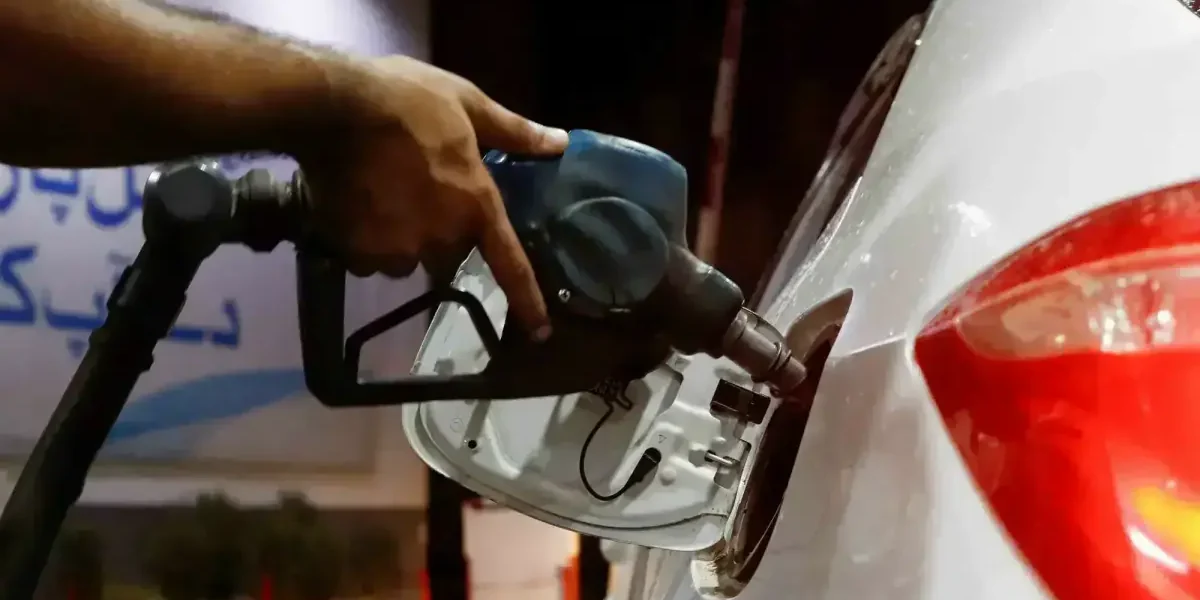
The government has announced a significant rise in the prices of petrol and diesel, effective from July 11. Petrol will now cost Rs310.71 per litre after an increase of Rs13.18, while high-speed diesel (HSD) will be priced at Rs323.30 following a hike of Rs13.80.
The price adjustments come as the government implements International Monetary Fund (IMF) conditions, which include doubling the climate support levy to Rs5 per litre from July 1. This change has led to an increase in the petroleum levy on diesel, currently standing at about Rs80 per litre, while the petrol levy is now around Rs70 per litre, including the additional Rs5 climate support levy.
The hike in prices reflects a broader economic strategy aimed at reducing reliance on subsidies and aligning with international standards. The government has also increased taxes on kerosene to Rs21 per litre and light diesel oil to Rs16 per litre, highlighting its commitment to fiscal discipline.
Petrol is predominantly used for private transport, small vehicles, rickshaws, and two-wheelers, affecting the middle and lower-middle classes. Diesel, on the other hand, is crucial for heavy transport, power plants, and large generators, impacting a wide range of industries and public services.
The price increases follow a period of fluctuation in diesel prices, which peaked at Rs520.35 on April 3 after the US-Iran war broke out on February 28. Diesel prices had started rising from Rs281 per litre in early March. Similarly, petrol prices reached their peak at Rs458.41 on April 3 before beginning to decline.
Despite these increases, the government continues to emphasize that the major revenue earners are petrol and HSD, with monthly sales of about 700,000 to 800,000 tonnes compared to just 10,000 tonnes for kerosene. The hike in prices is expected to have a significant impact on consumers, particularly those relying on private transport and heavy industry.
The government's decision to raise the climate support levy and petroleum levies underscores its efforts to balance economic stability with environmental concerns. While these measures are aimed at reducing subsidies, they may also lead to increased costs for businesses and individuals.