Key Takeaways
- Markwayne Mullin, US homeland security secretary, repeated many of Donald Trump's unverified claims from his recent address.
- Trump accused China and other foreign actors of interfering in the 2020 election, despite previous debunking of these claims.
- Intelligence officials have stated there is no evidence that foreign actors changed the outcome of the 2020 US presidential election.
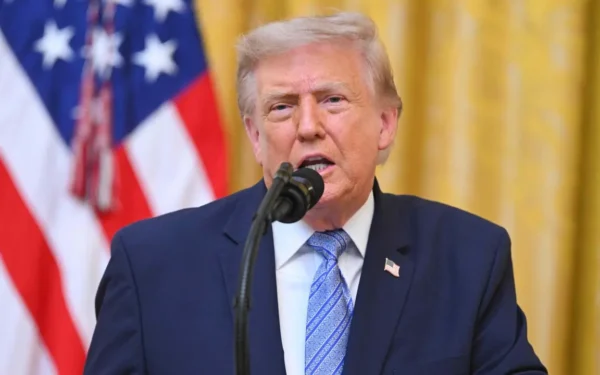
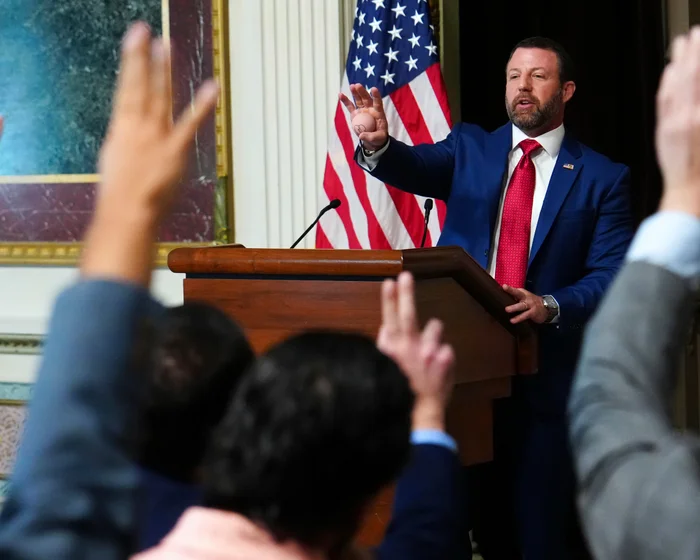
US Homeland Security Secretary Markwayne Mullin has doubled down on unsubstantiated claims made by former President Donald Trump regarding the 2020 election, during a press conference on Friday. Mullin’s comments come in the wake of Trump's controversial primetime address to the nation, where he accused China and other foreign actors of interfering with the US voting process.
During his televised speech, Trump cited a review compiled by the Department of Homeland Security (DHS) as the basis for his claims, which have been widely disputed. Mullin’s press conference saw him repeating many of these unverified assertions, despite their lack of factual support.
In his address, Trump accused China of having access to data on US voters and vowed to declassify documents that he claimed backed his allegations. However, intelligence officials have stated there is no evidence that foreign actors changed the outcome of the election. The claims have been previously debunked by various sources, including the Department of Homeland Security itself.
Mullin’s support for these unsubstantiated claims raises concerns about the integrity of the US electoral process and the potential influence of political rhetoric on public perception. Critics argue that such claims can undermine trust in democratic institutions and exacerbate divisions within society.
The repeated assertions by Trump and his supporters have led to increased scrutiny from both domestic and international observers. Many experts believe that these claims are part of a broader strategy aimed at undermining confidence in the electoral system, potentially setting the stage for future political disputes.
While intelligence agencies continue to maintain their stance on the lack of evidence supporting these claims, the persistence of such allegations can have significant implications for US foreign relations and domestic politics. The ongoing debate highlights the complex challenges faced by policymakers in addressing misinformation and maintaining public trust.
The situation underscores the need for robust fact-checking mechanisms and transparent communication from government officials to ensure that the public is well-informed about critical issues. As the United States continues to grapple with these challenges, it remains crucial to uphold the principles of democracy and evidence-based decision-making.