Key Takeaways
- The government is discussing the abolition of right-of-way fees as part of a National Connectivity Plan.
- The aim is to accelerate fiber-optic network deployment and expand high-speed internet access in remote areas.
- Officials emphasize improving digital accessibility and affordability for all citizens.
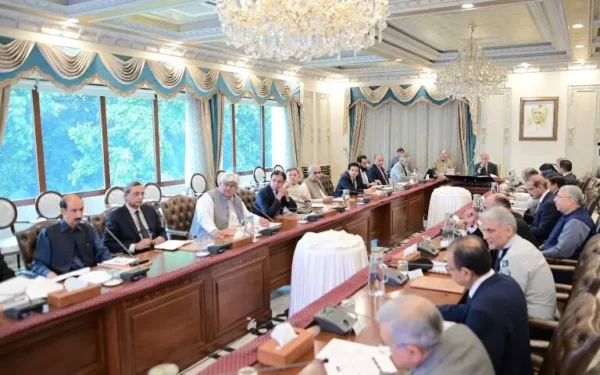
The government has initiated discussions on abolishing right-of-way (ROW) fees as part of a proposed National Connectivity Plan (NCP), aiming to accelerate the rollout of fiber-optic networks across Pakistan. The plan, which was discussed at a meeting chaired by Federal Minister for Economic Affairs Ahad Cheema, seeks to bridge the digital divide and unlock new economic opportunities in villages, remote areas, and small towns.
During the meeting, officials highlighted the importance of improving digital accessibility and affordability for all citizens. They proposed targeted tax relief for internet users in remote areas as a strategy to expand digital participation. Other strategic reforms include launching a single-window approval portal, introducing district-level licensing, and making fixed broadband connectivity mandatory across public institutions, schools, and health facilities.
ROW fees are charges paid by telecom companies for the legal right to install and operate infrastructure on land owned by various entities such as housing societies, roads, and railway lines. In the telecom sector, these fees can significantly impact the cost of deploying fiber-optic cables and other digital infrastructure. By considering their abolition, the government aims to reduce costs and accelerate network deployment.
Federal Minister Ahad Cheema emphasized that the government’s top priority is to facilitate freelancers, e-commerce entrepreneurs, and other digital professionals living in remote regions who continue to face challenges due to slow and unreliable internet connectivity. He stated that the government will take all necessary measures to ensure affordable, high-speed internet services are available across the country.
The officials also underscored the vital role of next-generation fiber-to-the-home (FTTH) networks and 5G infrastructure in driving national economic growth. According to official statements, FTTH subscriptions have grown steadily to 2.8 million, supported by a robust fiber footprint of 234,000 kilometres, 5.1 million house passes, and six operational submarine cables.
To build upon this progress, the NCP outlines ambitious national targets including expanding infrastructure to 10 million house passes, raising average fixed broadband download speeds to 85 Mbps, securing a place among the world’s top 50 countries for broadband performance, and increasing tower fiberisation to 60%. The government is committed to effective implementation of these plans through comprehensive stakeholder consultation.
The meeting also focused on improving digital accessibility in remote areas. Participants considered additional measures such as targeted tax relief for internet users in these regions to enhance digital participation. The officials stressed the importance of ensuring that all citizens can fully participate in the digital economy.