Key Takeaways
- SK Hynix CEO predicts the worst memory shortage in history for 2027.
- Demand for high-end memory chips, particularly used in AI systems, is outpacing supply.
- Companies are signing long-term deals to secure memory supplies.
SK Hynix, one of the world's largest memory manufacturers, has warned that a global memory-chip shortage could become more severe in 2027 and continue beyond 2030. According to SK Hynix CEO Kwak Noh-jung, next year could be the worst in the memory industry’s history from a supply perspective.
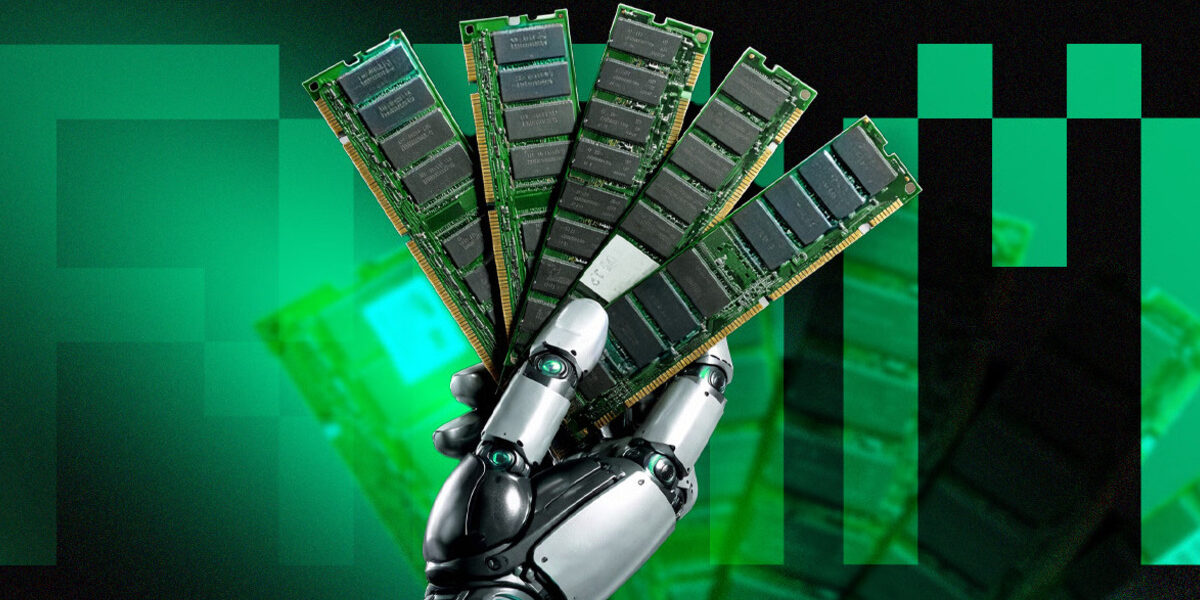
The warning comes as customer demand for high-end memory chips continues to rise, particularly those used in artificial intelligence (AI) systems. Despite investing heavily in new factories and equipment, SK Hynix expects that demand will remain higher than its production capacity even after 2030. This is especially concerning because SK Hynix supplies high-bandwidth memory (HBM), which is crucial for Nvidia’s AI accelerators.
UBS separately expects the global DRAM market to remain undersupplied until at least the second quarter of 2028, and Nvidia CEO Jensen Huang has also warned that shortages could continue for several years. The rapid construction of AI data centres has sharply increased demand for HBM, dynamic random-access memory (DRAM), and storage products. HBM is more profitable than conventional memory and essential for training and running large AI models.
As a result, memory manufacturers are allocating more production capacity to high-end chips used by Nvidia and other AI hardware companies, which can reduce the capacity available for mainstream products such as DDR4 and DDR5 computer memory, smartphone RAM, and NAND flash used in solid-state drives (SSDs). This shift could keep component prices high and increase manufacturing costs for PCs, smartphones, gaming consoles, and other consumer electronics.
Large technology companies are increasingly signing multi-year agreements to secure memory supplies before additional shortages emerge. Some deals use “take-or-pay” terms, which require customers to pay for committed quantities even when they no longer need all the chips. Other deals include advance deposits and financial guarantees. These agreements provide manufacturers with more predictable revenue but can make it harder for smaller PC and electronics companies to secure affordable memory.
SK Hynix is expanding production in South Korea through facilities in Icheon, Cheongju, and Yongin. It is also considering additional wafer fabrication plants in the United States, Japan, and Southeast Asia. However, Kwak said that the company has not made a final decision on these plans. SK Hynix will prioritise locations offering sufficient land, electricity, water, skilled workers, and competitive production costs.
The company is already investing around $4 billion in an advanced chip-packaging facility in Indiana and committing $10 billion to an American AI solutions business. SK Hynix and Samsung are participating in a South Korean government plan to double the country’s memory-chip production capacity within five years. The two companies are each expected to build two large fabrication sites in southwestern South Korea as part of an 800 trillion won semiconductor project.
However, new semiconductor factories require several years to construct, equip and qualify. This means that the additional capacity will not immediately solve the current shortage.


