Key Takeaways
- Suspected Iranian attacks on vessels in the Strait of Hormuz spark renewed hostilities.
- US President Donald Trump declares end to memorandum of understanding with Iran, raising concerns.
- Tensions could lead to wider conflict unless both sides show restraint and deconfliction measures are implemented.
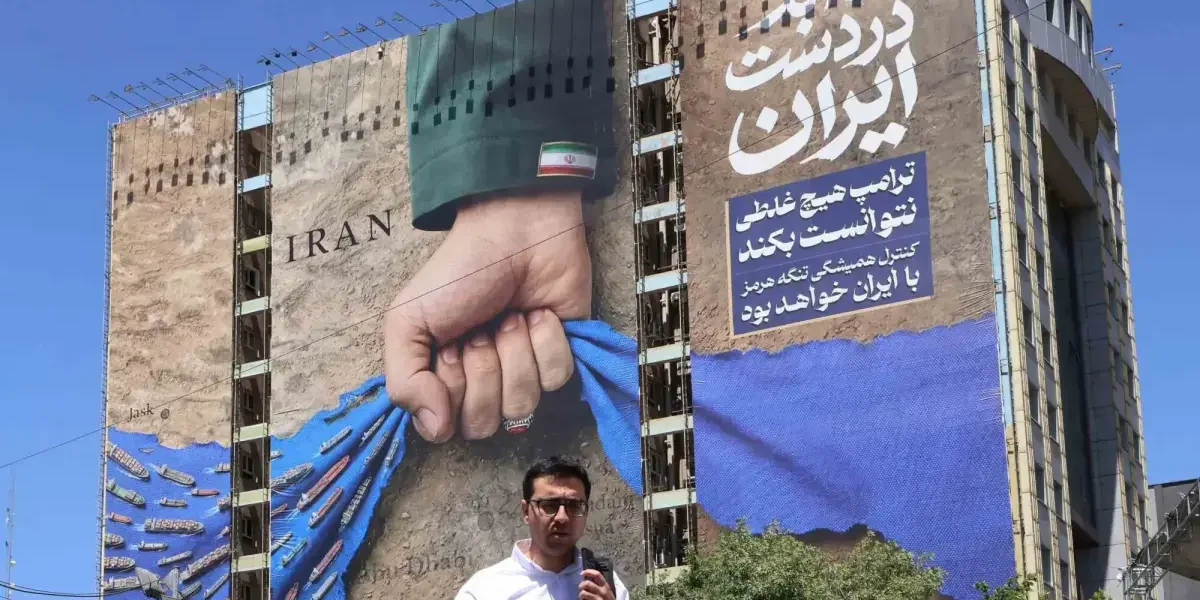
The fragile ceasefire between the United States and Iran is under severe strain as a result of recent incidents in the Strait of Hormuz. Suspected Iranian attacks on vessels not following designated routes have triggered a new round of hostilities, with the US retaliating by attacking Iranian facilities early Wednesday morning.
Adding to the tension, President Donald Trump has declared that the memorandum of understanding (MoU) with Iran is over and that talks were 'a waste of time.' This statement comes after Mr. Trump previously scuttled the Iran nuclear deal during his first term, making his current stance particularly significant.
While the US leader's rhetoric has been unparliamentary towards Iran, he has also left the door open for dialogue. However, this ambiguity does little to ease concerns among regional states and international observers who fear a return to wider hostilities.
The situation is further complicated by Israel’s apparent opposition to any US-Iran peace efforts. Israeli actions in Lebanon are cited as a threat to the ongoing peace process, with Iran calling for an end to these attacks. The involvement of Tel Aviv highlights the complex web of interests and alliances at play in the region.
Both sides need to demonstrate restraint and implement deconfliction measures to prevent the cycle of violence from escalating. Iran must ensure free movement through the Strait of Hormuz, as choking this vital trade route would have devastating economic consequences for the global economy. The US, on the other hand, should dial down its rhetoric and allow diplomacy to continue.
Pakistan and Qatar, as signatories of the MoU, are urged to redouble their efforts in mediating a peaceful resolution. Making the ceasefire work was never easy, but it is crucial to prevent peace efforts from falling by the wayside. The alternative—a return to war—would have catastrophic consequences for the region’s people and the global economy.
The next few days will be critical as both sides assess their options and decide whether they can climb down from the brink of conflict. It remains to be seen if the MoU and the ceasefire can survive this latest round of hostilities, but the stakes are high for all parties involved.