Key Takeaways
- Recent air quality readings in Pakistan are 15 times higher than the safe limit.
- The National State of Environment Report, to be launched soon, highlights this alarming situation.
- Health experts warn that such high levels pose significant risks to public health.
Pakistan’s air quality has reached dangerously high levels, according to an unpublished report by the National State of Environment Report (NSOER). The recent readings indicate that air pollution in certain areas is 15 times higher than the safe limit set by environmental standards.
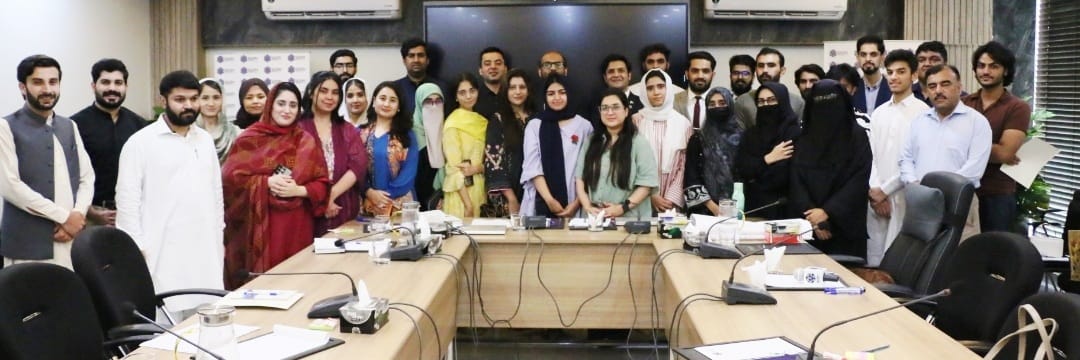
This alarming situation was revealed during a consultation session jointly organized by the United Nations Environment Programme (UNEP) and Sustainable… Pakistan, which underscores the severity of the issue. The NSOER, scheduled for release soon, will provide detailed insights into the current state of air quality across the country.
Health experts have emphasized that such high levels of pollution pose significant risks to public health. In particular, they warn about the potential for respiratory issues and other related illnesses among the population. The report is expected to highlight specific areas where air quality has deteriorated sharply, necessitating urgent action from policymakers and environmental authorities.
The consultation session brought together stakeholders from various sectors including government officials, environmental activists, and representatives from international organizations like UNEP. These discussions aimed at identifying immediate measures to mitigate the impact of poor air quality on public health and the environment.
While the exact details of the report have not been made public yet, it is expected to provide a comprehensive analysis of the current state of Pakistan’s air quality. The findings are likely to include recommendations for improving air quality through policy changes, technological interventions, and community-based initiatives.
The launch of this report comes at a critical time when environmental concerns are gaining prominence in national discourse. It is hoped that the information provided will galvanize efforts towards creating cleaner and healthier living conditions for Pakistan’s citizens. The government has already acknowledged the severity of the situation and is expected to take proactive steps based on the recommendations outlined in the NSOER.
In light of these findings, environmental activists are calling for immediate action from all stakeholders involved. They urge the government to implement stringent measures to reduce air pollution levels and ensure public health remains a priority. The launch of the report is seen as a significant step towards addressing this pressing issue.