Key Takeaways
- Subaru targets software-defined vehicle launch in the second half of the 2020s.
- Company plans to reduce vehicle development times by 40%.
- Subaru will use digital simulations and run design, testing, and production in parallel.
Japanese automaker Subaru has announced plans to launch software-defined vehicles (SDVs) in the second half of the 2020s, aiming to significantly reduce development times by about 40%. This strategic move is part of Subaru’s broader initiative to enhance the efficiency and flexibility of its vehicle development process.
At a strategy briefing held at a research centre in Sano City, north of Tokyo, Subaru detailed its plans to gradually deploy a newly developed integrated electronic control unit (ECU) across its vehicle lineup. The company intends to achieve this through the use of digital simulations in prototyping, enabling parallel design, testing, and production preparation.
Subaru’s approach to SDVs includes the capability for over-the-air updates for driver-assistance, automated-driving, and vehicle performance functions. This technology will allow for ongoing software updates, enhancing the vehicle’s capabilities even after it has left the showroom.
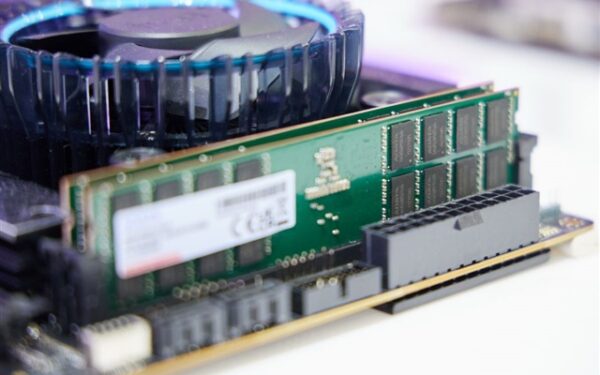
In collaboration with US chipmaker Advanced Micro Devices, Subaru has jointly developed the chip at the core of the integrated ECU. The company aims to standardize electronic platforms across its electric, hybrid, and gasoline-powered vehicles, streamlining its manufacturing processes and reducing costs.
Despite Toyota’s 21% stake in Subaru and the deployment of Toyota’s Arene software platform in 10 million new vehicles annually by 2030, Subaru has no current plans to adopt Arene. The company maintains its independence in software development, focusing on its own integrated ECU and platform standardization.
Subaru’s strategy is part of a broader trend in the automotive industry towards more flexible and efficient vehicle development. By leveraging digital technologies, the company aims to accelerate the introduction of new models and features, keeping pace with rapidly evolving consumer expectations and technological advancements.
The company’s focus on digital simulations and parallel processes is expected to not only speed up development times but also improve the quality and functionality of its vehicles. This approach could set a new standard for the industry, potentially influencing other manufacturers to adopt similar strategies.