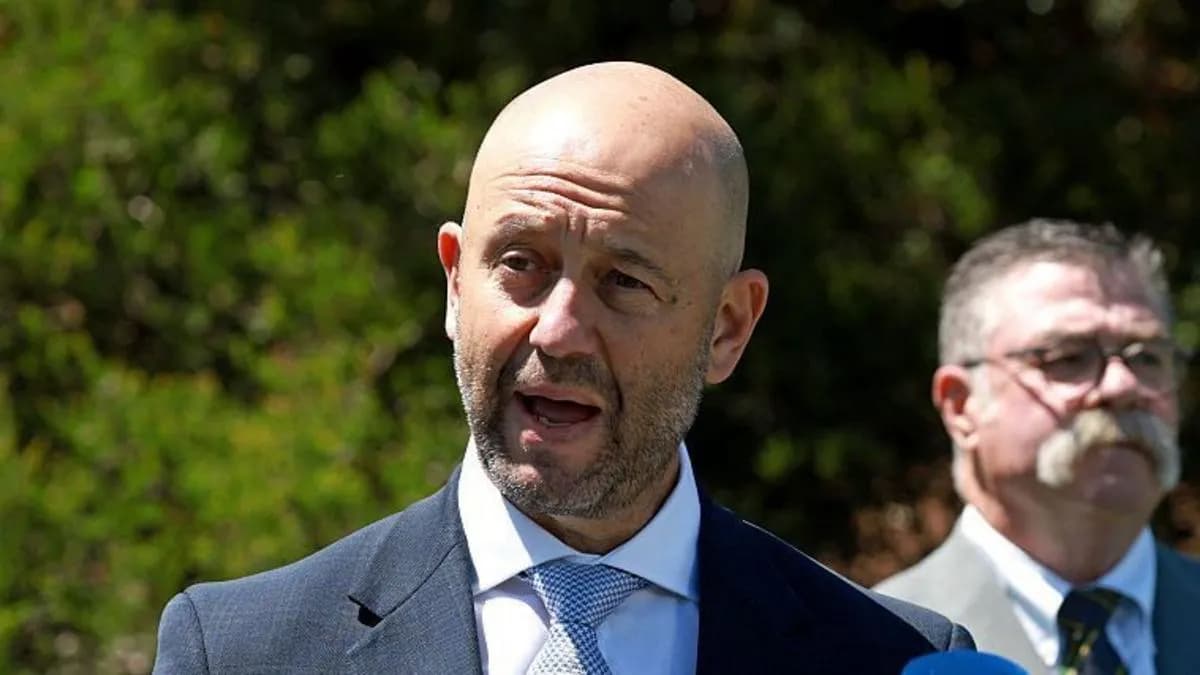
Incumbent Gianni Infantino is facing an unexpectedly contested election for a fourth term as the formal nomination window for the 2027 FIFA presidency closes on Wednesday. While Infantino announced his re-election campaign in April 2026, he has faced increasing opposition due to transparency concerns, governance disputes, and controversial commercial proposals.
Several major European federations, including the English, German, Italian, and French football associations, withdrew their backing for Infantino over the summer. European leaders turned to Philippe Diallo after high-profile figures, including UEFA President Aleksander Čeferin and former Arsenal manager Arsène Wenger, declined to run.
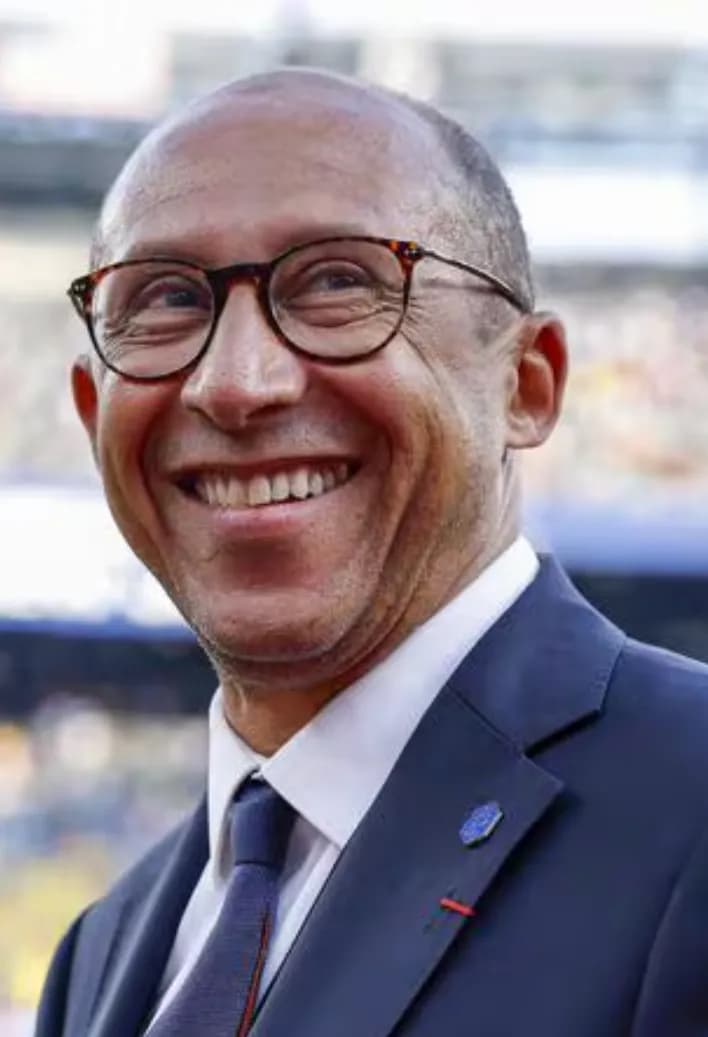
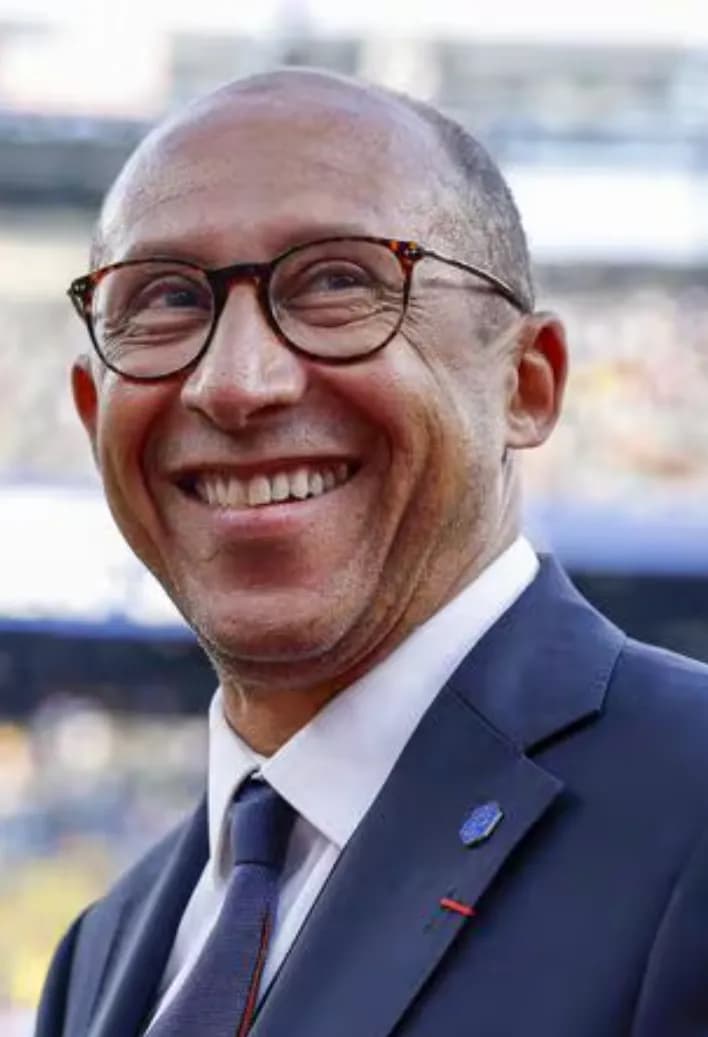
The declared challengers include Philippe Diallo, the 63-year-old French Football Federation president, who emerged as the main opposition candidate on November 16 after receiving unanimous backing from UEFA's Executive Committee. Diallo withdrew French support for Infantino in September over governance concerns.
Kozo Tashima, the honorary president of the Japan Football Association and a FIFA Council member since 2015, is the first Japanese candidate to seek the presidency. Ramon Vega, a former Switzerland international and Tottenham Hotspur defender, has announced another presidential bid following unsuccessful attempts in 2015, 2019, and 2023.
To qualify, candidates must pass integrity checks conducted by a FIFA-appointed panel and secure support from at least five of FIFA's 211 member associations.
Despite losing European support, Infantino retains a significant electoral advantage because UEFA's 55 votes account for only around a quarter of the electorate. Infantino maintains strong relationships across Africa, Asia, CONCACAF, Oceania, and South America, supported by development funding pledges of at least $25 million for every member association through 2030 and expanded FIFA tournaments.
Infantino's position has also come under scrutiny following a scrapped July 2026 proposal involving private investment in future World Cups and criticism over the handling of US striker Folarin Balogun's World Cup suspension.
A divided opposition could further strengthen Infantino's position if Diallo, Tashima, and Vega all reach the ballot. Under FIFA rules, a candidate needs a two-thirds majority in the first round when more than two candidates contest the election, while subsequent rounds require a simple majority, potentially giving Infantino a clear path to another term.