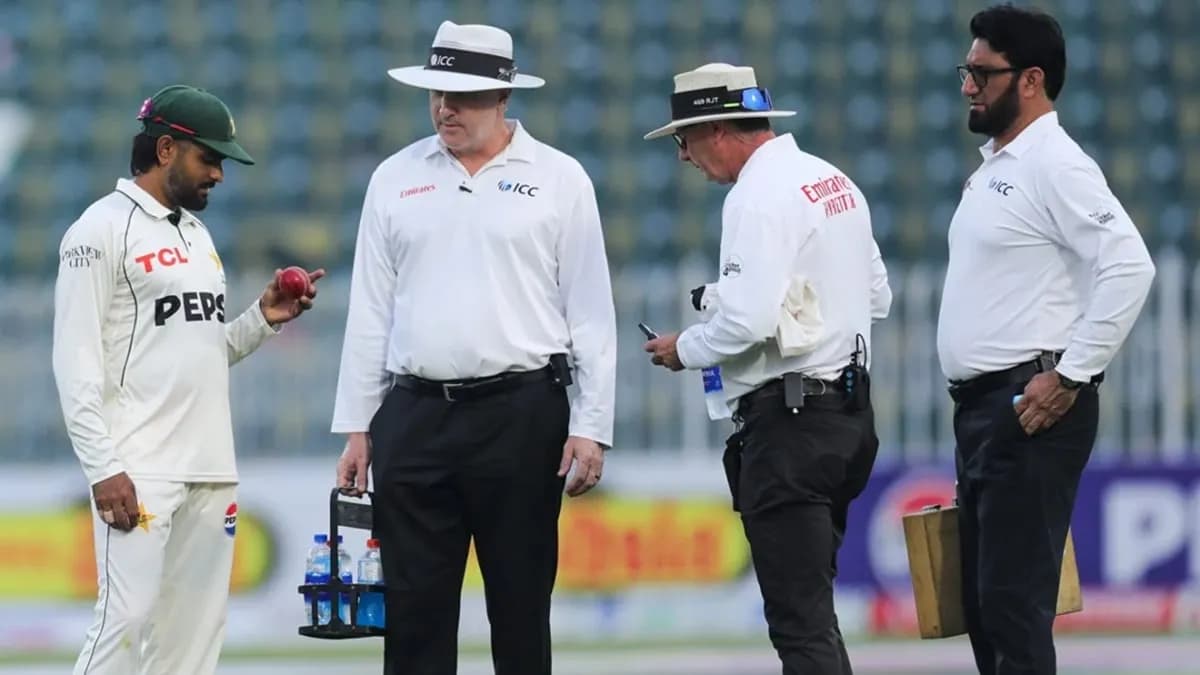
Pakistan captain Babar Azam has stated he is open to the possibility of playing pink-ball Tests in Pakistan, provided the team has sufficient time to adjust to the different requirements of the ball. Speaking at the post-match presentation on Friday, Azam addressed the International Cricket Council (ICC) approval of pink balls in day Tests, which aims to mitigate interruptions from poor light and weather.
However, Azam noted that switching to the pink ball for the second Test against Sri Lanka, scheduled to begin on November 17 at the same venue, would not be practical. Azam explained that the team currently plays with the red ball throughout and requires more than a few days to prepare for a change.
“You will have to prepare differently for the pink ball and two-three days are not enough because we play with the red ball throughout,” Azam said. He added, “If we get a chance to prepare with the pink ball for longer then it is certainly something we would be open for [to play a day Test with the pink ball].”
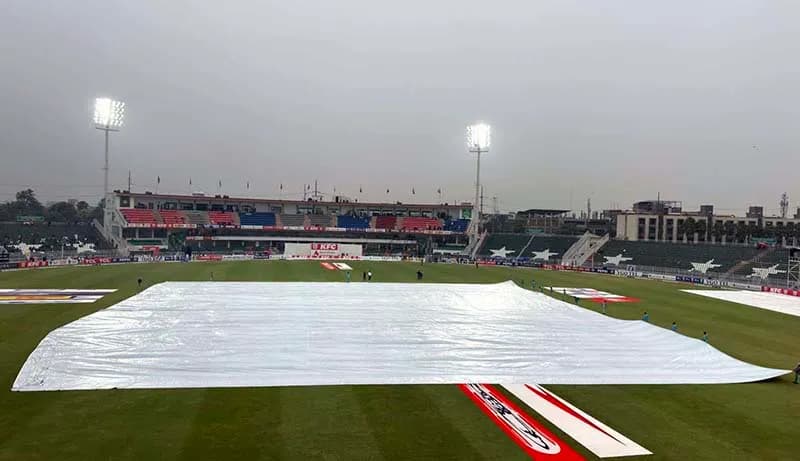
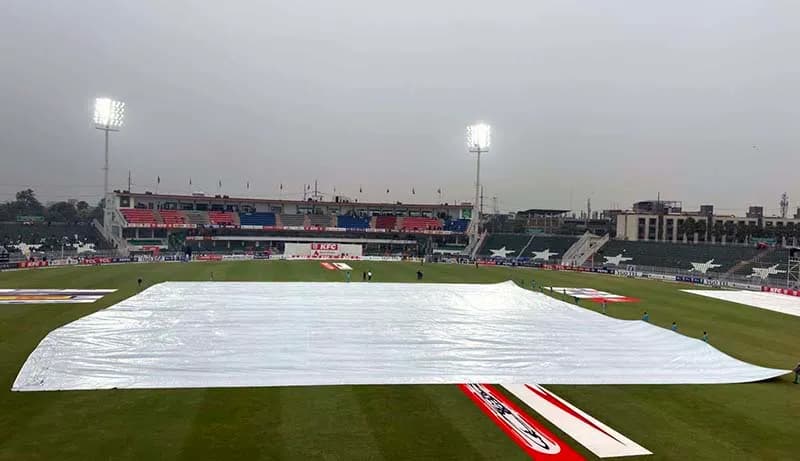
The comments followed a rain-affected draw in the opening match of the two-Test series against Sri Lanka. The match saw approximately 141 overs lost across five days due to rain and bad light, which repeatedly forced early finishes.
Reflecting on the drawn match, Azam praised his opening batters for their performance on a difficult pitch. “Everyone was expecting the pitch to be difficult and I give credit to my openers the way they assessed the pitch and gave us a start on the first day,” Azam said.
Pakistan declared their first innings at 434/9, with Mohammad Taha, Tayyab Arif, Babar Azam, Saud Shakeel, and Arafat Minhas all scoring half-centuries. Sri Lanka reached 446, bolstered by a 249-run partnership between captain Kusal Mendis and Dhananjaya de Silva, both of whom scored centuries.
Azam highlighted the performance of debutant fast bowler Saqib Khan, who took a seven-wicket haul to help Pakistan fight back after Sri Lanka reached 404/4. “It is very good to see how Saqib Khan played. He had a lot of confidence because of the first-class cricket he has played. He had hunger to get wickets and was outstanding,” Azam said.
In the second innings, Pakistan reached 248/8, with Saud Shakeel providing stability with another half-century. This marked the third consecutive Test where Shakeel fell in the nineties, including a similar dismissal against England at Lord’s in August. Azam acknowledged the difficulty Shakeel faces in converting scores but defended his role.
“We are trying to figure out why Saud is getting out in the nineties. Saud knows very well how to churn longer innings in crunch moments and he is the backbone of our team,” Azam said. The match ended in a draw on the final day with only 63.3 overs possible.