Key Takeaways
- Net metering units for solar power fell 27.2 percent month over month in August 2026.
- The share of net metering in total power generation increased by 10 basis points year-on-year.
- New prosumer regulations introduced in February 2026 replaced the previous net metering system.
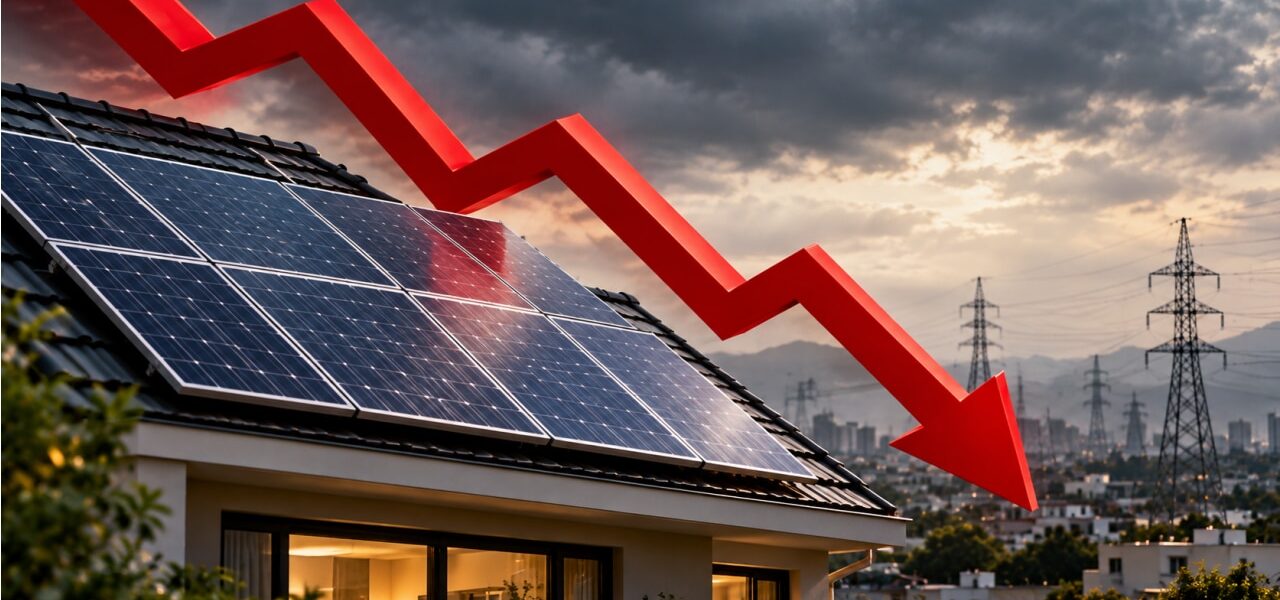
Solar power adoption in Pakistan has faced a significant setback, with net metering units declining by 27.2 percent month over month in August 2026, according to data from Arif Habib Limited.
Despite the decline, the share of net metering in total power generation increased by 10 basis points year-on-year during the same period.

Overall power generation rose by 5.1 percent year over year in August, reflecting a broader trend in Pakistan’s electricity supply.
The National Electric Power Regulatory Authority (NEPRA) expects power demand to grow by 1.0 percent year over year in the calendar year 2026.
The reduction in net metering units is part of a larger shift in the contribution of solar power to Pakistan’s electricity supply, with the market for rooftop solar expanding rapidly as households and businesses seek relief from high grid electricity costs.
In February 2026, NEPRA introduced new prosumer regulations, replacing the previous net metering system with net billing. Under the new system, exported electricity is credited separately from electricity purchased from the grid.
This change has altered the financial benefits of selling surplus electricity to the grid, potentially discouraging some users from participating in net metering.
The shift in regulations has led to a decrease in the number of net metering units, despite the overall increase in the share of net metering in total power generation.