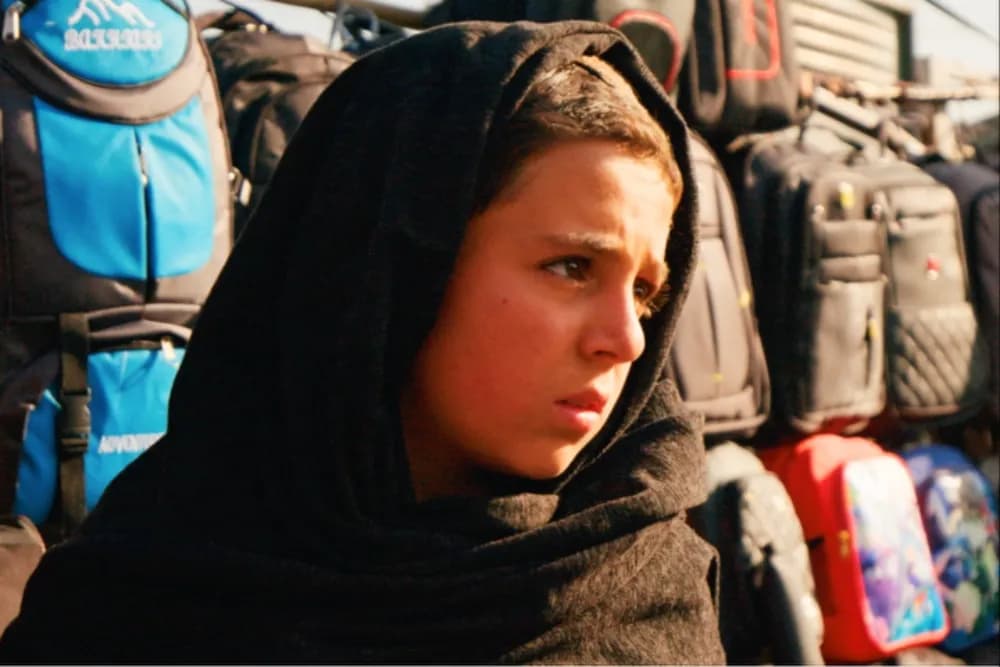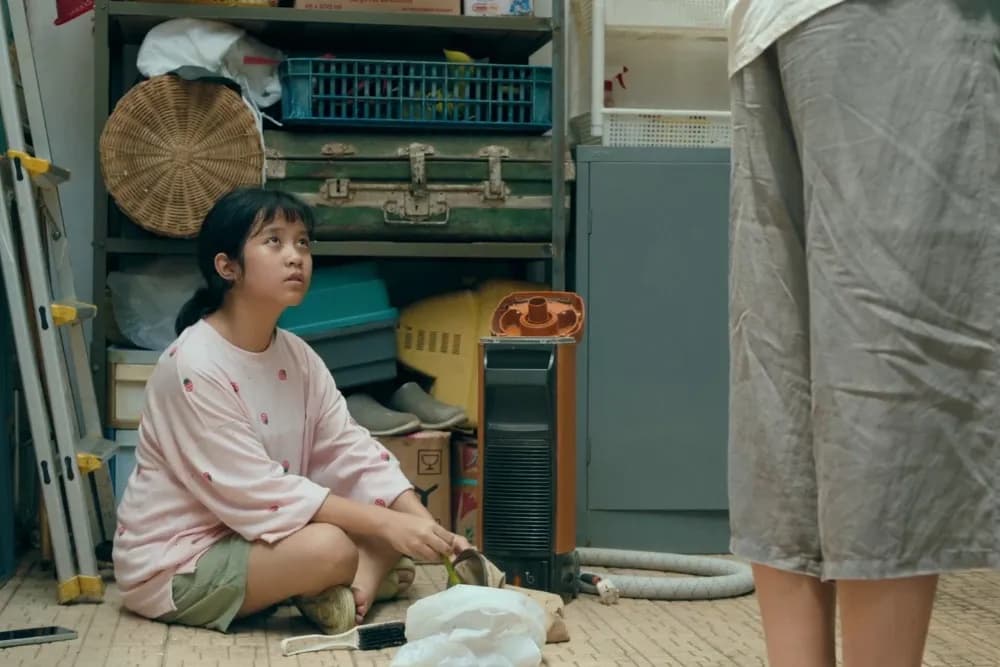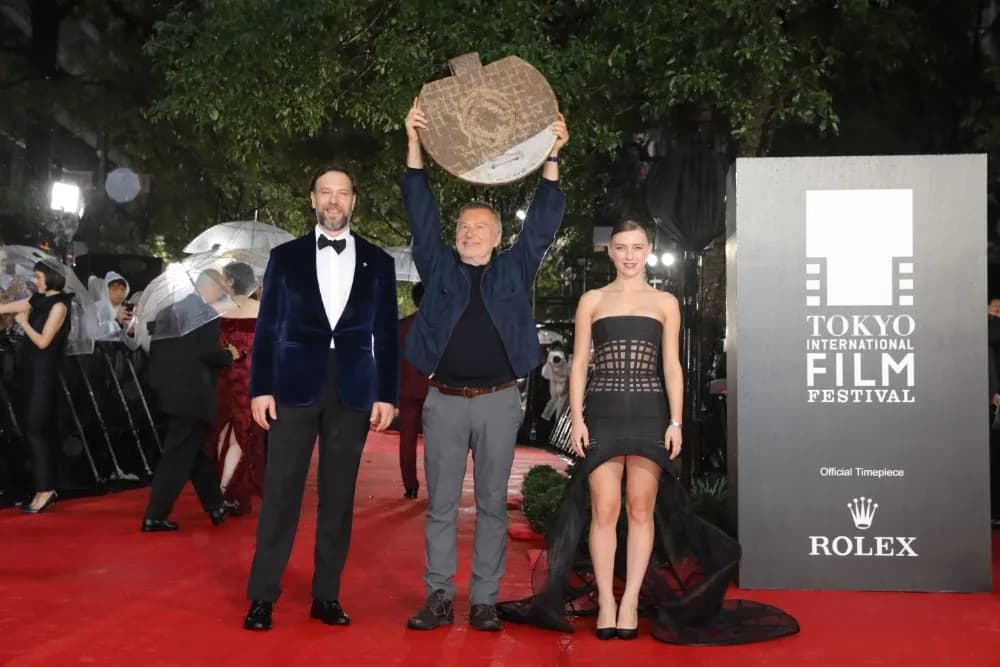
Director Milcho Manchevski is competing at the Tokyo International Film Festival with his latest feature, Sister Brother Manhole Cover.
Manchevski, whose 1994 debut Before the Rain won the Golden Lion at Venice and received an Oscar nomination, previously had his film Kaymak in competition in 2022. The filmmaker also opened the Venice Film Festival in 2001 with the movie Dust. Manchevski stated that Sister Brother Manhole Cover was blocked for several years after it received financing.
He reported corruption within the Film Agency that reached the Prime Minister, leading to political harassment, a media smear campaign, and criminal proceedings against him. The project received its first approval in 2023. Manchevski won two court cases against the agency, and his account was confirmed by the State Commission for Prevention of Corruption and the State Audit Office.
Support for the director was provided by the Venice Film Festival, Whistleblowing International, and Transparency International. The director filmed the feature alongside Good People, a documentary regarding those impacted by the Kočani nightclub fire. Sister Brother Manhole Cover is a co-production involving North Macedonia, Bulgaria, Serbia, Albania, Italy, and the U.K.
Banana Film serves as the lead production company for the project. Additional production partners include Gala Film in Bulgaria, Sense Production in Serbia, Tirana Film Institute in Albania, Berkeley Media Group in the U.K., and Amarcord Production. The cast features Sara Klimoska, Filip Trajkovikj, Sonja Mihajlova, Dejan Lilich, and Petar Mirchevski.
Stefano Falivene acted as the cinematographer, while David Munns served as the production designer. Jane Kortoshev produced the film, and Coccinelle Film is handling world sales. Manchevski's upcoming project is titled Homecoming.
“I wanted to tell a story about a kind of love that is rarely at the center of films, yet it is so beautiful: the love between a brother and a sister,” Manchevski said.
He described this bond as being "fierce, complicated, sometimes painful, but also unconditional like no other type of love."
Manchevski noted that the characters are not ideal people but deserve affection, stating, “They are far from ideal people. But they are deserving of understanding and affection. I am interested in people as they are, with their contradictions, not as examples of how people should behave. Idealized characters make for bad movies.”
Manchevski observed that the subjects "would rather eat than venerate the past and the ideals," adding, “Life does not keep these things separate, so I don’t see why a film should.”