Key Takeaways
- A Senate panel questioned police officials over complaints of harassment and arbitrary checks of interprovincial travellers.
- Committee members emphasized that security concerns should not justify unnecessary humiliation of citizens.
- The meeting also addressed issues related to the movement of food supplies and the presence of senior provincial officials.
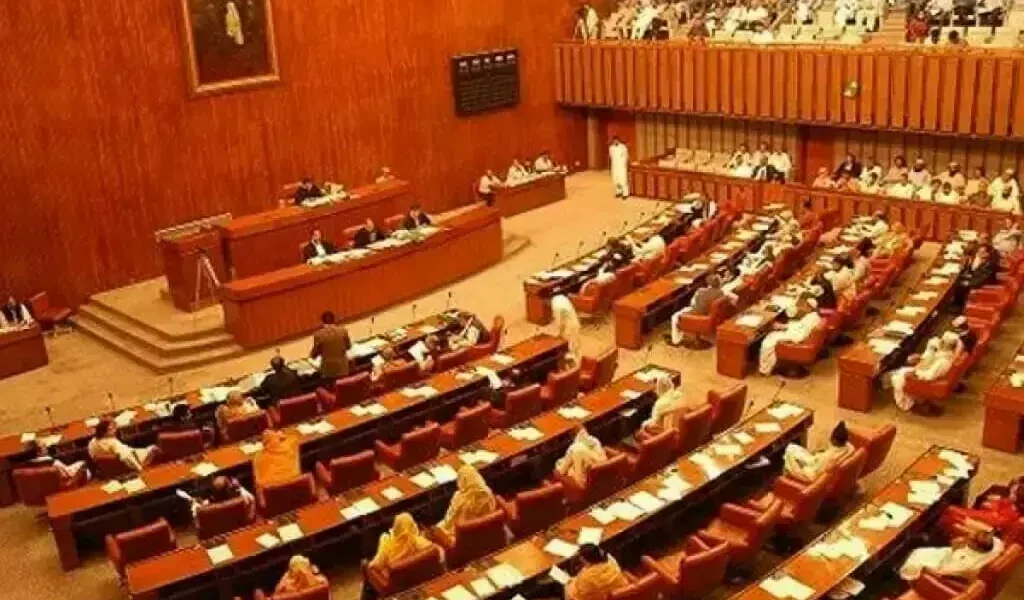
A Senate committee grilled top police officials on Tuesday over complaints of arbitrary checks on interprovincial travellers, questioning the manner in which security protocols were being enforced.
The Senate Standing Committee on Inter-Provincial Coordination, chaired by Senator Dilawar Khan, confronted police officials over reports of travellers being stopped and questioned over CNICs, domiciles, and nationality, particularly at checkpoints in Karachi, Lahore, Rawalpindi, and Islamabad.
Police defended the checks, citing ongoing security threats and efforts to curb smuggling and drug trafficking. However, committee members stressed that security concerns should not be used as a licence for indiscriminate stopping, searching, or intimidating citizens.
RPO Rawalpindi informed the committee that 31 cross-border check posts were operating in the province, with only three incidents reported since January. He argued that daily threat alerts necessitated continued vigilance.
Committee members acknowledged the security challenges but questioned the manner in which frontline personnel were dealing with travellers, emphasizing that citizens should not be subjected to unnecessary humiliation in the name of security.
Senator AimalWali Khan raised concerns over searches in tribal areas, particularly the treatment of women and the need for police to respect privacy, local customs, and requirements relating to purdah and burqa.
Sindh Police rejected allegations of discriminatory checking, insisting that uniform security protocols were being followed. Officials also said general goods transport should not be stopped without justification.
The committee was informed that some disputes involving travellers arose because their CNICs had been classified as doubtful by the National Database and Registration Authority (Nadra). Officials said district-level committees headed by deputy commissioners were working to resolve such cases.
The meeting also addressed the disruption of inter-provincial food supplies, with members discussing the movement of wheat between provinces and delays caused by road blockades and the placement of containers on roads.
Khyber Pakhtunkhwa Food Department officials briefed the committee on grain stocks and procurement, while members demanded detailed written information to determine whether administrative hurdles were putting uninterrupted supplies at risk.
The chairman warned that continued non-appearance of senior provincial officials, including the minister or adviser concerned to the prime minister, could trigger privilege motions against officials accused of showing disregard for the parliamentary committee.
Members further criticized divisive statements made during provincial assembly proceedings, warning that inflammatory political rhetoric could deepen inter-provincial tensions rather than help resolve them.