Key Takeaways
- Tokyo district court rules voices enjoy the same protection as publicity rights.
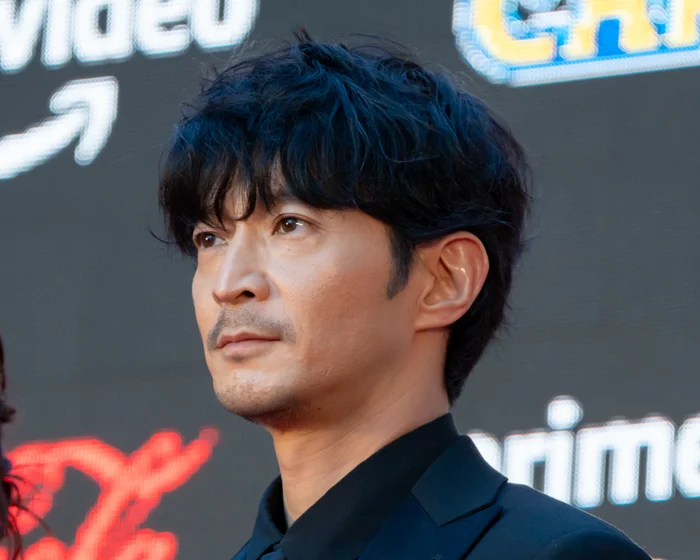
- Kenjiro Tsuda, known for voicing Jujutsu Kaisen's Kento Nanami, won the case against TikTok.
- The decision marks a landmark verdict in protecting actors' voices from AI cloning.
A Japanese court has ruled that human voices are protected by the same legal rights as publicity, in a landmark case involving actor Kenjiro Tsuda and a TikTok account that used AI to clone his voice.
Tsuda, best known for voicing the character Kento Nanami in the popular anime Jujutsu Kaisen, brought the case against the TikTok account, which had created AI-generated videos using his distinctive baritone voice.
The Tokyo district court's decision, announced on Wednesday, is significant as it sets a precedent for the protection of voices in the digital age, where AI technology can replicate human speech without consent.
Tsuda's legal team argued that his voice, like his image and name, should be protected from unauthorized use, emphasizing the 'lustrous' quality of his voice that was being exploited without his permission.
The court agreed, stating that voices are entitled to the same legal protections as other forms of personal identification, thereby establishing a new legal framework for voice rights.
This ruling could have far-reaching implications for the entertainment industry, where voice actors and performers are increasingly using AI technology in their work.
Legal experts suggest that the decision may encourage more stringent measures to protect artists' rights in the digital realm, as the use of AI to clone voices without consent becomes more prevalent.
Tsuda's victory in this case is seen as a significant step towards ensuring that artists' voices are not exploited by unauthorized parties, particularly in the age of advanced AI technologies.