Key Takeaways
- Russian authorities deny claims of special anti-plague measures following a worker’s death from pneumonic plague.
- The WHO assesses the risk to Russia as a whole as moderate to low.
- An international conference on plague and infectious diseases is scheduled for October 21-22 in Irkutsk.
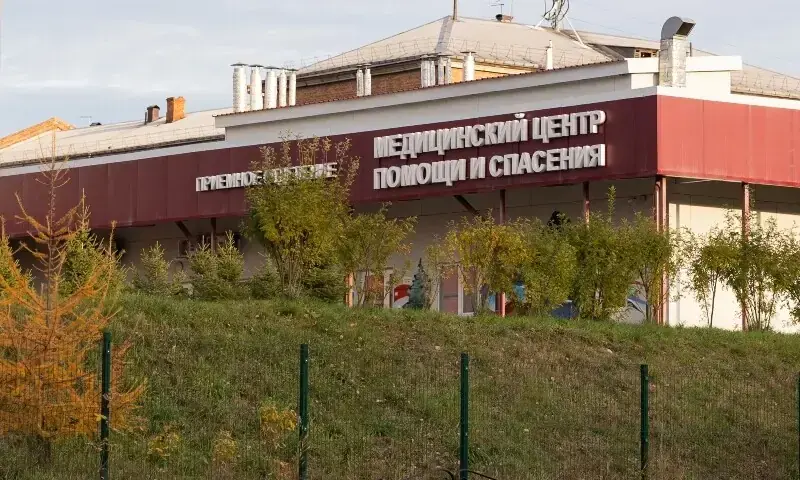
Russian authorities have denied reports of imposing special anti-plague measures following the death of a laboratory technician at an anti-plague institute in Siberia’s Irkutsk region.
The death of 28-year-old Darya Shipilova, a worker at the institute, reportedly occurred after she may have contracted pneumonic plague from a broken test tube, according to Russian news outlet People of Baikal.
Health watchdog Rospotrebnadzor has stated that no such decisions have been made, and that the health situation in the region remains stable.
Postmortem tests conducted by the authorities did not detect the disease, and the Irkutsk Regional Governor Igor Kobzev confirmed that no new cases of staff from the anti-plague institute had sought medical attention.
The World Health Organization (WHO) assessed the risk to be moderate to low for Irkutsk and very low for the rest of Russia and Europe.
US President Donald Trump said his government was monitoring the situation closely but did not consider it a cause for alarm.
The WHO’s Christian Lindmeier stated that the risk to Russia as a whole was moderate to low, and the risk to the rest of Europe was very low.
An international conference on plague and other infectious diseases is scheduled for October 21-22 in Irkutsk, unrelated to the recent death of the employee.
Russian officials emphasized that the cause of death is not confirmed, and the document circulating online is untrue.