Key Takeaways
- International media barred from most of Pakistan.
- Permission required for reporting outside Islamabad, Karachi and Lahore.
- Move sparks backlash from journalist organizations.
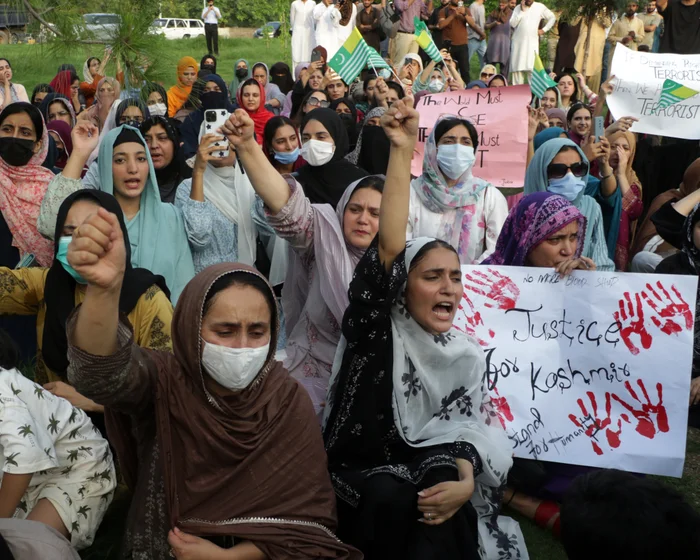
Pakistani authorities have imposed new restrictions on international media, effectively banning them from reporting in most parts of the country. The rules came into effect shortly after a significant incident involving the killing of dozens of protesters, according to reports.
Under these new regulations, anyone, including Pakistani nationals working for foreign media outlets, must seek permission before reporting from any location outside three major cities: Islamabad, Karachi and Lahore. This move has been met with criticism from journalist organizations both within Pakistan and internationally.
The restrictions are part of a broader crackdown on the press following the reported deaths of protesters, which were initially covered only by overseas news agencies. The government's decision to limit international media access is seen as an attempt to control the narrative around these events.
Journalist groups have condemned the new rules, arguing that they violate freedom of the press and hinder the public’s right to information. These organizations are calling for a lifting of the restrictions and greater transparency from the authorities.
The decision has also raised concerns about the safety and well-being of local journalists who may now face additional scrutiny or potential harassment when reporting on sensitive issues. Critics argue that such measures could stifle free expression and limit public discourse in Pakistan.
In response to these developments, several international organizations have issued statements expressing their concern over the impact of these restrictions on press freedom. They are urging the Pakistani government to reconsider its stance and ensure that media can operate freely within the country’s borders.