Key Takeaways
- Iran and Oman have agreed a new route for ships transiting the Strait of Hormuz.
- The agreement is part of joint management efforts despite ongoing tensions with the US.
- Tehran claims the strait remains insecure due to US naval blockade.
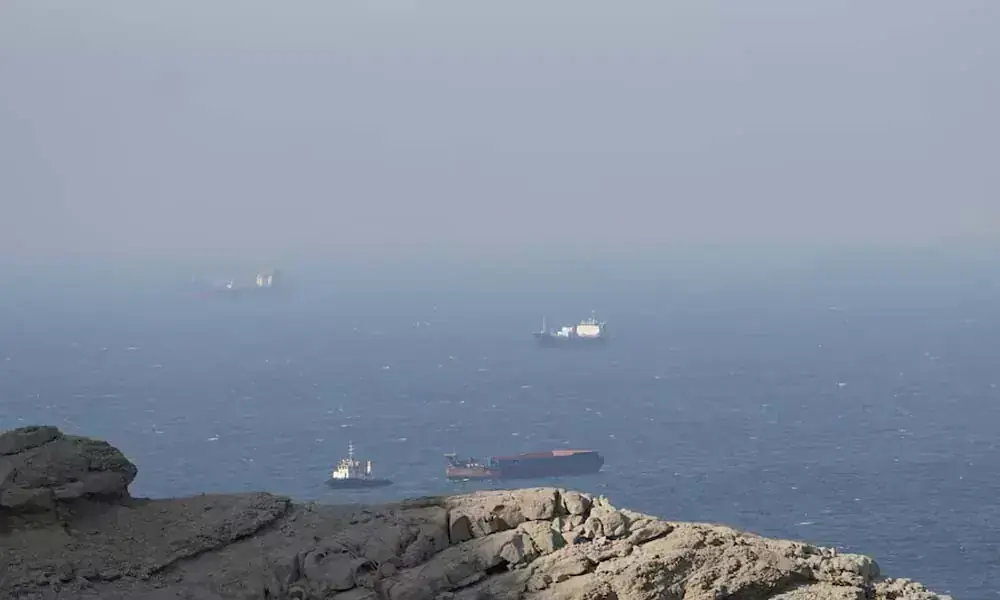
Iran and Oman have reached an agreement on a new route for ships transiting the Strait of Hormuz, according to Tehran’s foreign ministry. The move comes as Iran has seized de facto control over the strategic waterway since February 28 when the United States and Israel launched their war against Iran.
The geographical coordinates of the proposed route have been agreed upon by both nations, with a joint statement containing key points of agreement in the final review stage. However, Esmaeil Baqaei, spokesman for Tehran’s foreign ministry, warned that even if an understanding is reached, it does not guarantee safety for all passing vessels.
Baqaei stated, 'The factors making the Strait of Hormuz insecure still exist on the part of the United States, particularly the naval blockade and other aggressive and threatening actions against Iran and its interests,' as reported by state news agency IRNA. This highlights ongoing tensions that continue to impact global energy trade.
Before the recent conflict, the Strait of Hormuz was a critical passage for around one-fifth of the world’s oil and LNG exports. The dispute over this waterway has led to repeated surges in prices, putting additional economic and political pressure on Washington to resolve the issue.
Despite these challenges, Iran is moving forward with its neighbor Oman to manage the strait more effectively. However, Tehran remains cautious about the security of the passage, emphasizing that the United States’ actions remain a significant threat to regional stability.
The agreement between Iran and Oman marks an important step in managing the Strait of Hormuz, but it does not resolve the underlying tensions with the US. The international community will be watching closely as negotiations continue and the new route is implemented.
The geographical coordinates of the route envisaged by the two sides have been agreed upon and, if certain third parties do not obstruct the process, the joint statement of the two countries, containing the main considerations and points of agreement, is also in the final review and drafting stage.
Esmaeil Baqaei, Spokesman for Tehran’s foreign ministry