Pakistan is beginning work to transition Thar coal mining operations from diesel power to the national grid. According to a press release issued on November 18, the project is expected to save the country between $25 million and $30 million in foreign exchange every year.
The project, which has already seen its contract awarded, has had its completion date moved forward to the first quarter of 2028 (by April 2028). This is approximately eight to nine months ahead of the original target of the end of 2028.
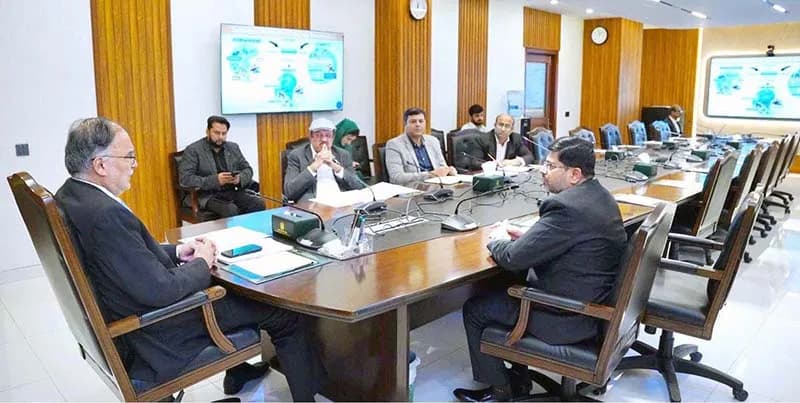
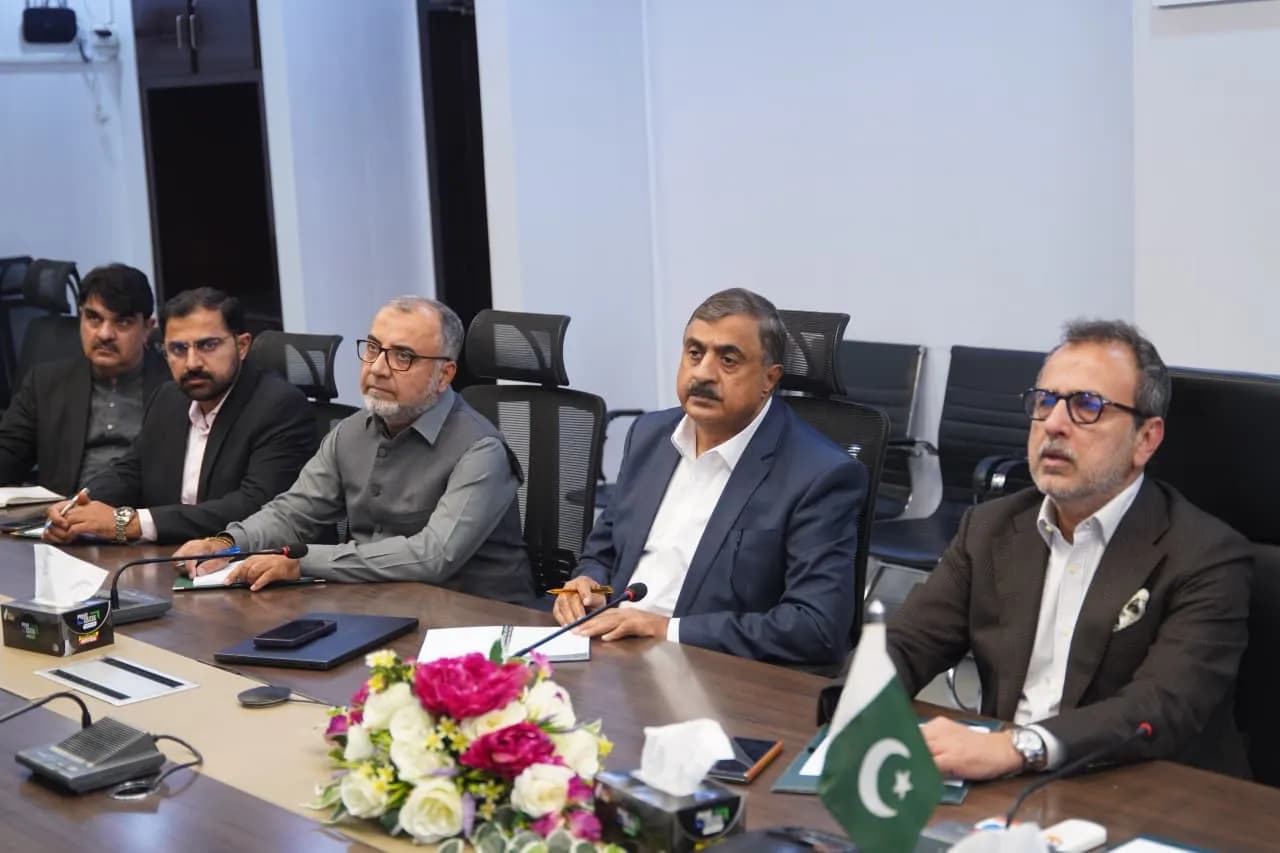
The progress was reported during a review meeting on the electrification of Thar Block I and Block II. The meeting was chaired by Federal Minister for Power Sardar Awais Ahmad Khan Leghari and attended by representatives from the Power Division, the Hyderabad Electric Supply Company (HESCO), the Thar Coal and Energy Board (TCEB), Sindh Engro Coal Mining Company (SECMC), and Sino Sindh Resources Limited (SSRL).
Under the direction of Prime Minister Shehbaz Sharif, the Power Division has moved from the planning phase to the execution of the project. The plan involves connecting mining operations in both blocks to the grid using 132kV transmission infrastructure from the Islamkot Grid Station. This will provide approximately 60 megawatts of electricity to the mining sites.
The shift is expected to provide immediate financial benefits. Daily diesel savings are projected at around Rs25 million. The cost of coal production—and the resulting coal tariff—is expected to decrease by about $0.70 per ton, which will lower the overall power purchase basket cost. Furthermore, the cost of power for mining operations is expected to drop from 33 cents per kilowatt-hour when generated from diesel to 13 cents, a reduction of over 60 percent.
Currently, mining operations consume between 200,000 and 250,000 liters of diesel daily, with about 35,000 liters used specifically for dewatering. Much of this will be replaced by cheaper electricity.
The reform also includes environmental goals. Carbon emissions are expected to fall by about 80,000 tons a year. Additionally, diesel-powered mining vehicles will be progressively converted to electric systems. During the meeting, the Managing Director of TCEB informed the Minister that both blocks are pursuing electric vehicle (EV) deployment. Block I plans to induct approximately 40 EV trucks by the end of this year, while Block II aims to start EV deployment in 2028 alongside the completion of the grid connectivity.
Federal Minister Sardar Awais Ahmad Khan Leghari noted that by cutting diesel imports and lowering the cost of electricity generated from local coal, the Power Division is turning a national resource into more affordable power for consumers. He emphasized the need to accelerate EV adoption in mining operations and appreciated the coordination among all stakeholders.