Federal Minister for Planning, Development and Special Initiatives Professor Ahsan Iqbal directed federal and provincial governments on Thursday to take urgent measures to lower passenger and freight transport fares. The order follows a recent decline in petrol and diesel prices, with the aim of providing relief to businesses and households.
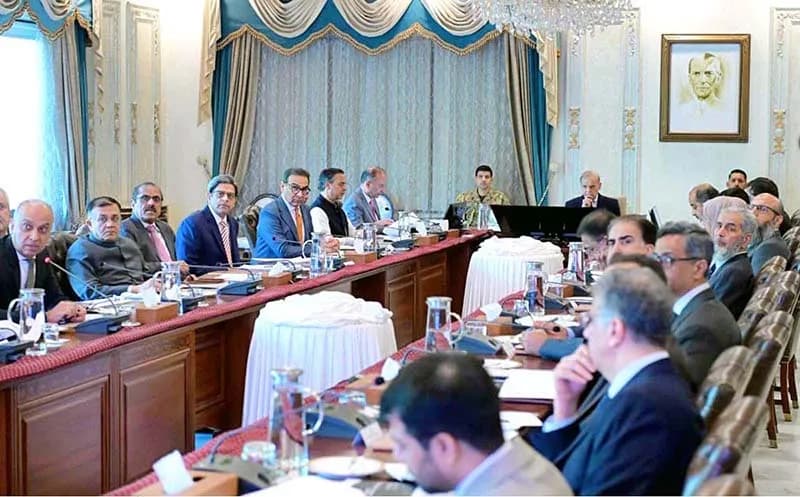
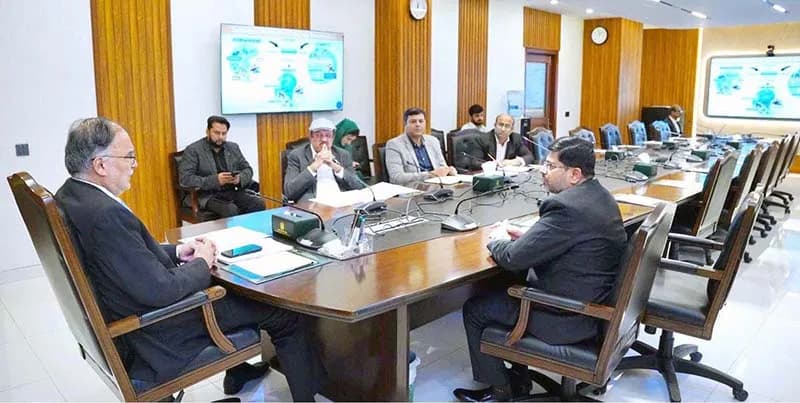
While chairing an emergency meeting of the National Price Monitoring Committee (NPMC), Iqbal asked provincial governments to have relevant departments issue revised fare notifications and ensure strict monitoring of their implementation. He emphasized that lowering freight charges is essential for passing the benefits of cheaper fuel to consumers, specifically through lower prices for essential commodities.
The Pakistan Bureau of Statistics (PBS) informed the meeting that during the 20 days ending November 12, petrol prices dropped from Rs396.06 to Rs322 per litre, while diesel prices fell from Rs398.80 to Rs355 per litre. These reductions amounted to approximately Rs74 and Rs43.80 per litre, respectively.
Data from the PBS also showed the Sensitive Price Indicator (SPI) decreased by 0.46 per cent during the week ending November 12. This followed a 0.29 per cent increase the previous week and represented the largest weekly decline in the 10 weeks under review. While prices for sugar, onions, and bananas declined, the PBS reported that tomatoes, potatoes, and eggs saw price increases.
The committee was informed that while wholesale and retail price trends have improved overall, significant gaps remain for some essential goods. Regarding the rise in tomato prices, the meeting was told a seasonal supply gap was the cause, though this is expected to ease as early harvests from Sindh begin reaching markets.
Iqbal also instructed the Competition Commission of Pakistan (CCP) to finish its inquiry into rising cement prices by next week due to concerns over the impact on housing initiatives. The CCP told the meeting that its teams had finished market surveys and would share findings with the government once the data is analyzed.