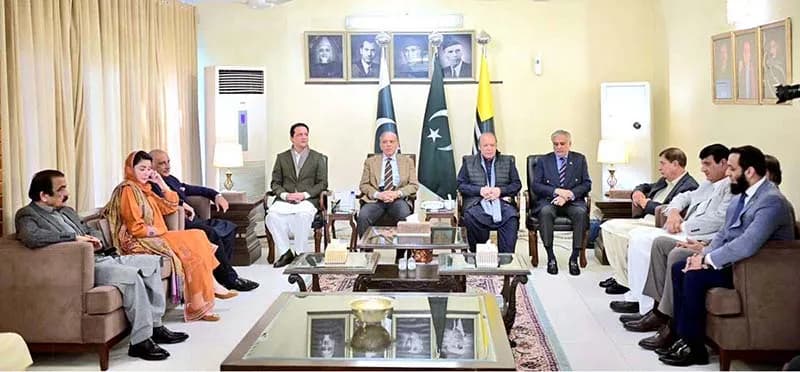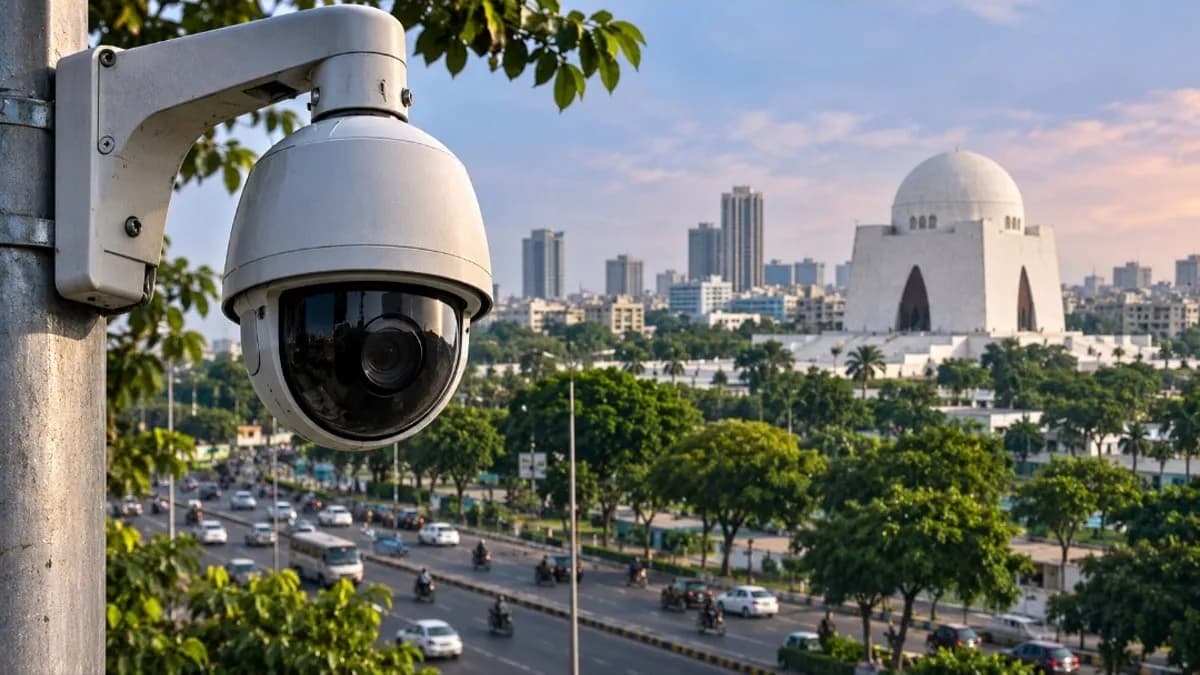
The Sindh Cabinet on Thursday approved the release of Rs. 5.766 billion for the second phase of the Karachi Safe City Project. The project has been given an 18-month deadline for completion to strengthen the city's security infrastructure.
Phase-II of the project involves the installation of more than 2,300 surveillance cameras. This includes 870 cameras for general surveillance, 1,300 cameras equipped with facial recognition and Automatic Number Plate Recognition (ANPR) technology, and 80 cameras dedicated to traffic enforcement. Once all phases are finished, the broader project aims to have nearly 10,000 cameras installed at more than 2,000 locations across Karachi.
Senior Minister Sharjeel Memon briefed the media following the meeting, stating that the contract is being handled through a government-to-government arrangement. Memon clarified, “The contract is being executed on a government-to-government basis and has not been awarded to any private company.”
Memon reported that the chief minister has instructed Home Minister Ziaul Hassan Lanjar to personally oversee the project's progress to ensure it becomes operational within the 18-month timeframe. A statement from CM House noted the project has an approved cost of Rs. 9.406 billion, while the contract with the National Radio and Telecommunication Corporation (NRTC) is valued at Rs. 8.871 billion.
In a separate announcement, Memon, who also holds the portfolios for information and transport, said the cabinet approved a government-to-government agreement between the Sindh Mass Transit Authority (SMTA) and Heavy Industries Taxila (HIT). This agreement covers the supply, construction, operation, and maintenance of 500 electric buses.
Memon stated, “The Rs37.97 billion project will introduce 300 buses measuring 12 metres and 200 smaller buses, supported by 125 charging units, three depots, 499 bus shelters, an Intelligent Transport System and automated fare collection facilities.” The fleet will run on 17 routes, including five existing Peoples Bus Service routes and 12 new ones. Under the deal, HIT will share 10 per cent of gross fare revenue with the provincial government, while the government will receive 50 per cent of carbon-credit revenue.
The cabinet also approved an annual allocation of Rs. 6.06 billion for 10 years for capital cost recovery, a one-time reimbursement of Rs. 234 million for electricity grid connections, and the transfer of land parcels to SMTA.
Additionally, the cabinet granted formal industrial status to the gems and jewellery sector and decided to keep provincial authority over mineral resources. Memon noted that the cabinet directed that legal framework amendments for transparent government land allotment be presented within three weeks.
Regarding agriculture, the cabinet approved a Rs. 16.9 billion relief programme for wheat growers, following the registration of over 600,000 farmers. A relief package was also approved for drought-affected areas in Tharparkar and Umerkot, providing financial relief via the Benazir Income Support Programme to 273,666 beneficiaries.
Finally, the cabinet approved the clearance of Rs. 637.02 million in outstanding liabilities to address a backlog of security-featured vehicle registration plates, alongside a fresh procurement through open bidding with an additional budgetary provision of Rs. 1.5 billion.