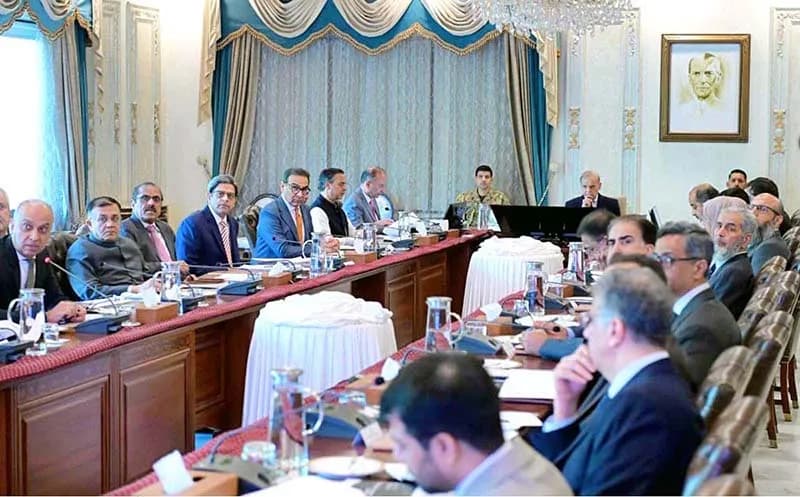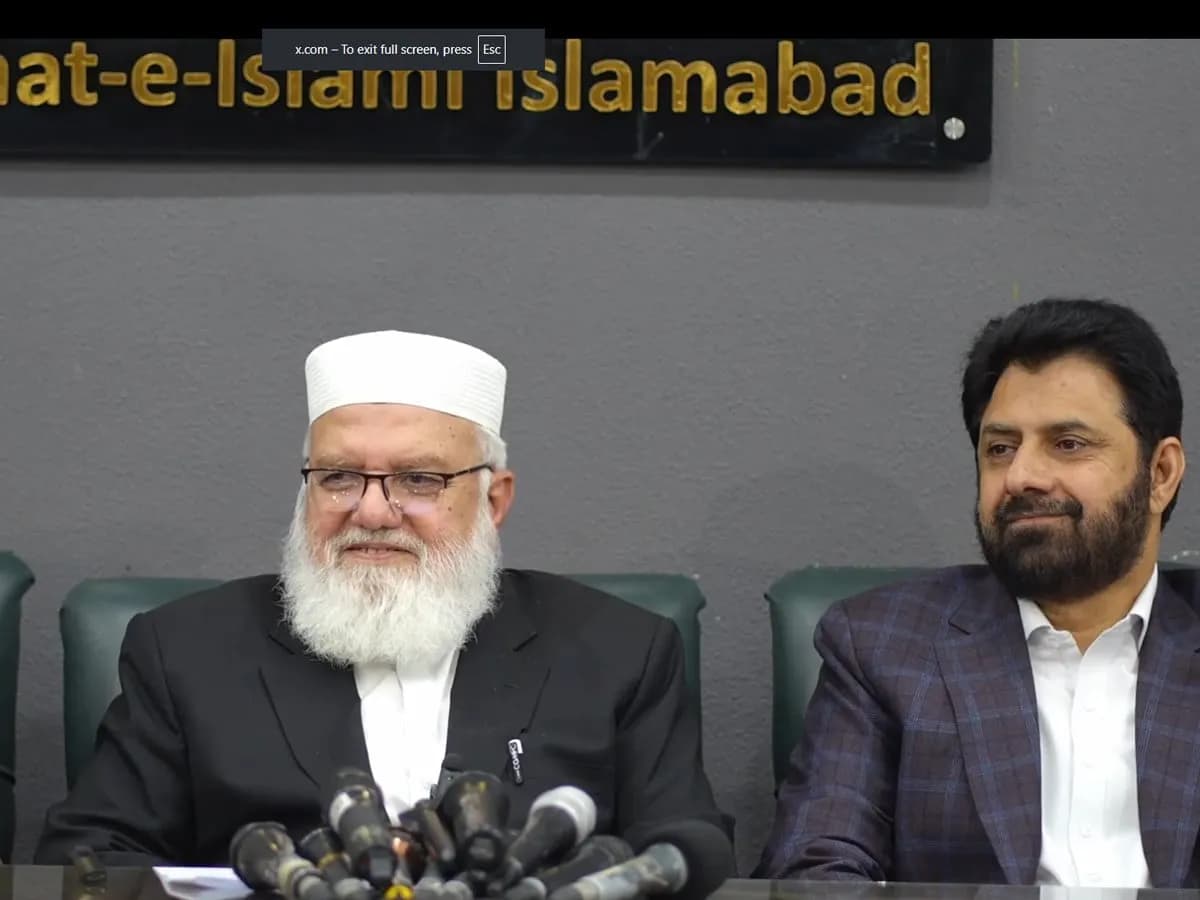
Jamaat-e-Islami (JI) Deputy Chief Liaquat Baloch said on Thursday that negotiations between the government and the party over petroleum prices and public relief have concluded at the committee level. Prime Minister Shehbaz Sharif and JI Emir Hafiz Naeemur Rehman are expected to meet on November 24 or 25 to finalise a mechanism for reducing the petroleum levy and providing relief to consumers.
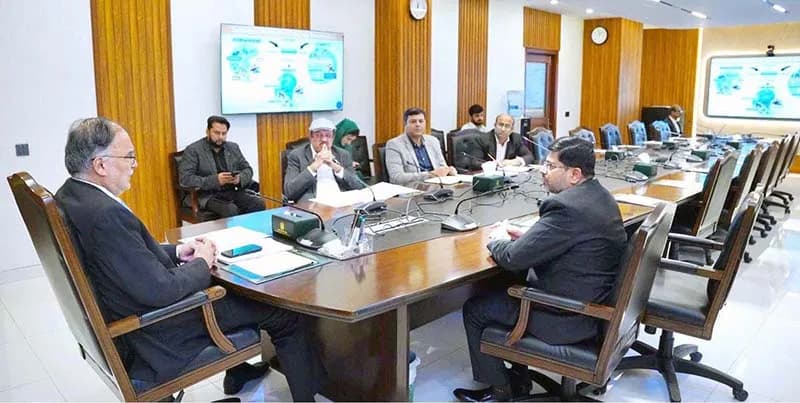
Baloch made these remarks following a meeting in Islamabad with a government delegation led by Deputy Prime Minister and Foreign Minister Senator Mohammad Ishaq Dar. The two sides discussed the possibility of expanding the scope of the existing fuel subsidy scheme. Baloch stated that JI committees had completed negotiations and submitted draft proposals to the government, which is expected to communicate its final decision.
Baloch claimed that JI's protests helped secure reductions in fuel prices, stating petrol fell to Rs325 per litre from a projected Rs620, while diesel prices also declined. He said government ministers acknowledged the party's role in raising the issue, noting that consumers received relief of Rs146 per litre on petrol and Rs242 per litre on diesel as a result of the protests. "Because of this protest, they were forced to give relief to the people. At the moment, more than Rs32 billion is being given to the people every month," Baloch said.
The proposed package discussed with the government would increase and extend relief for motorcycles, vehicles with engines up to 800cc, and three-wheelers. It would also extend the same relief to vehicles with engines up to 1,000cc and include tractors used by farmers cultivating up to 12.5 acres to support the agricultural sector.
Baloch said the upcoming meeting between the prime minister and the JI chief would focus on gradually reducing the petroleum levy. He said the JI proposed measures to address the fiscal deficit, arguing the government could reduce the levy without placing an additional burden on consumers. The levy currently stands at Rs85 per litre, and Baloch stated the party told the government it did not necessarily have to abolish it entirely but could reduce it through alternative fiscal measures.
Baloch questioned why ordinary citizens should bear the burden of revenue shortfalls if the Federal Board of Revenue failed to meet its targets. He also criticised the government for not implementing the 18th Amendment, stating the public should not pay for such shortcomings.
The Foreign Office described the meeting as a constructive engagement. In a statement issued on X, the Ministry of Foreign Affairs said Dar held a follow-up meeting with the JI delegation to continue consultations on petroleum prices and discuss expanding the existing fuel subsidy scheme. Dar appreciated the delegation's constructive engagement and reaffirmed that reducing the financial burden on ordinary citizens and safeguarding public welfare remained the government's foremost priorities.
The statement noted that structural reforms in petroleum policy, along with adjustments in global prices, helped reduce petrol prices by Rs133 per litre and diesel prices by Rs162 per litre since April 2026. A final meeting with the JI delegation will be convened in the presence of PM Shehbaz in due course. The meeting was attended by the minister for planning, development and special initiatives, the prime minister's adviser on inter-provincial coordination, and the petroleum secretary. The JI delegation included Syed Farasat Shah, Anayat Ullah, and Ziauddin Ansari.