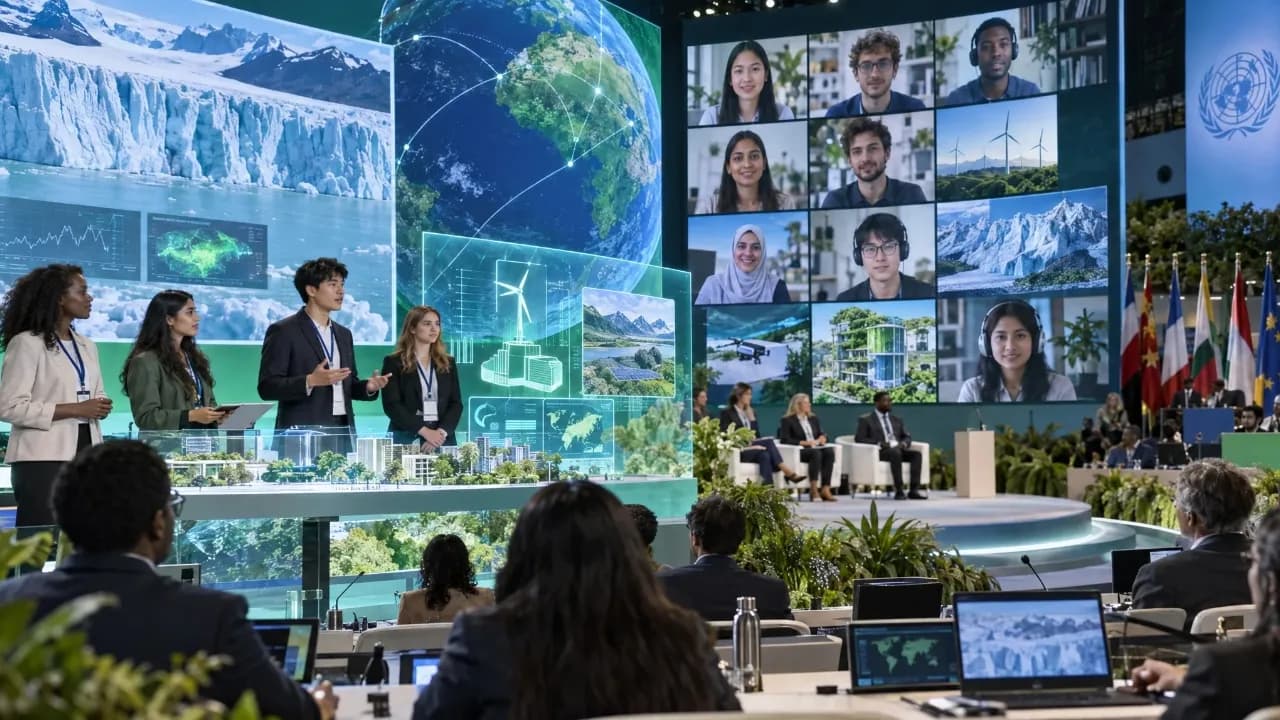
Federal Minister of Environmental Coordination and Climate Change Dr Musadik Malik has proposed the creation of a virtual green university to transform climate research into practical solutions. The proposal was made during a session titled “From Learning Campuses to Climate Solutions: Advancing Climate Resilience Through Education, Innovation and Partnerships,” held on the fringes of the UN Climate Change Conference (COP31) in Antalya, Turkey.
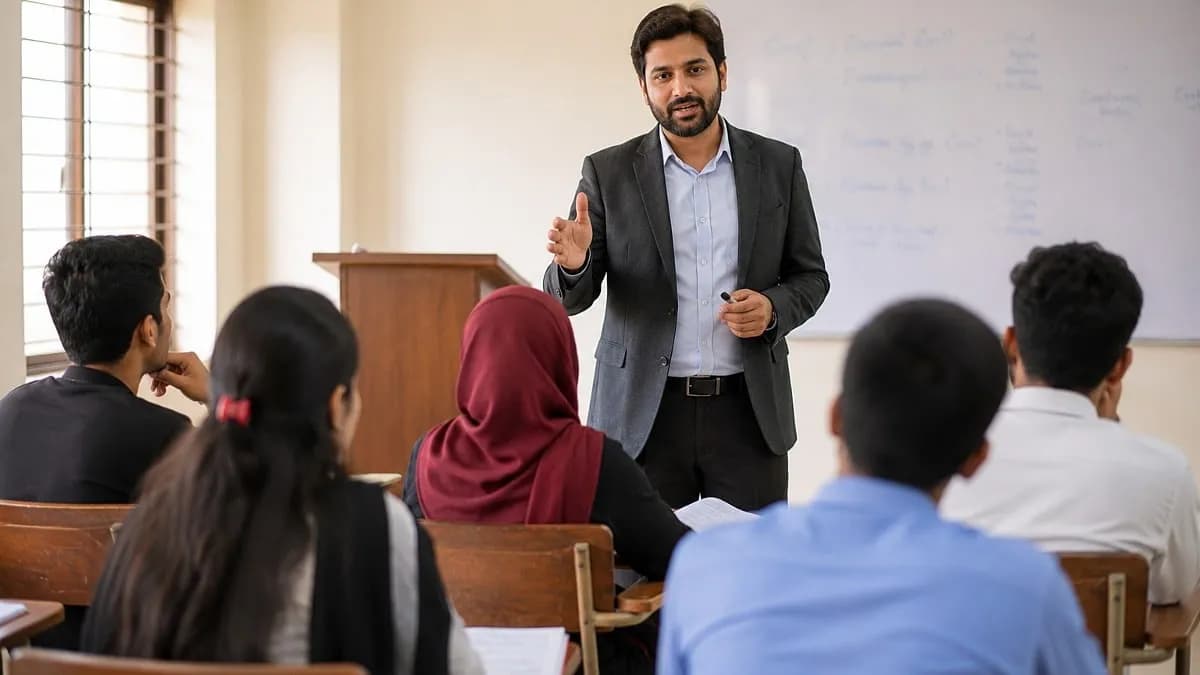
The initiative, arranged in association with the Islamabad Electric Supply Company (IESCO), aims to establish an international platform where students, researchers, and academic institutions can collaborate on climate issues. Dr Malik invited international institutions to partner with Pakistan through faculty and student exchanges, seminars, and virtual research centres. He stated the initiative could bring together scholars and graduate students, particularly from developing countries, to generate knowledge and develop locally relevant solutions.
Dr Malik also offered Pakistan’s research facilities and glacier-related data to international scientists interested in mountain ecosystems. He warned that developments in these areas could have consequences for downstream plains in the coming years. The minister stated the country was prepared to facilitate collaborative research and make relevant data and academic resources available to those studying the changing cryosphere.
A second proposal from Dr Malik involves the Greenfield fund, which is intended to provide financial support for climate-related ventures developed by young people. He noted that a fund has been announced and a board established, featuring a proposed five-member team with private-sector and investment expertise to assess and finance promising ideas. Dr Malik argued that many ideas fail to reach commercialisation due to inadequate financial support and called for institutions to provide resources to young innovators.
“Place your bets on your children, not on conferences and resolutions,” Dr Malik said during the session.
The minister further argued that innovation should not be limited to science and technology, suggesting that ideas could emerge from fields such as literature, history, arts, music, drama, and business models. He cited China’s solar technology and Finland’s environmental technology sector as examples of how public demand can create opportunities for innovation. He emphasized that collaboration among governments, businesses, and academic institutions is essential to link the stages of innovation from idea generation to commercialisation.