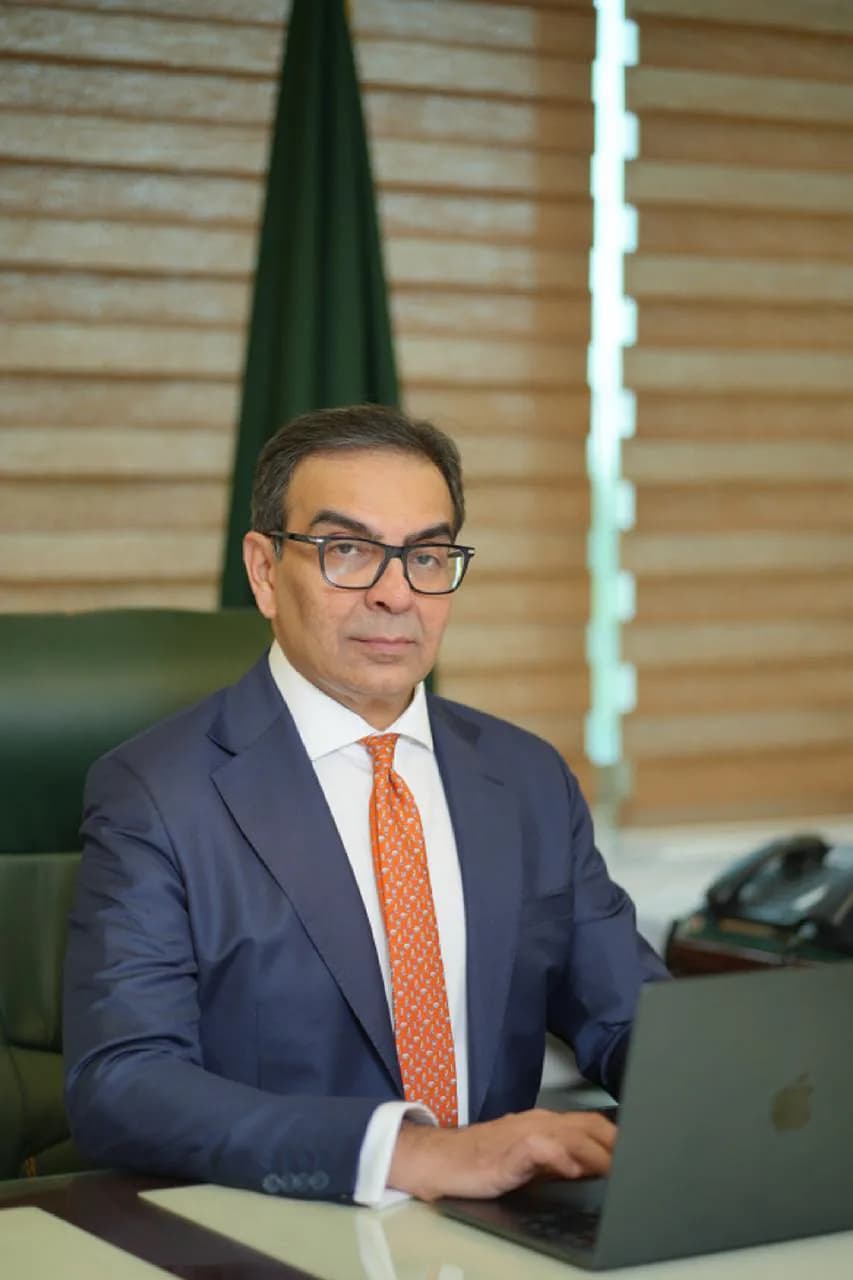
Adviser to the Prime Minister on Privatisation and Chairman of the Privatisation Commission Muhammad Ali stated that the Privatisation Commission was working on 17 transactions. These include nine power distribution companies, three major airports, financial institutions and insurers such as State Life.
Ali pointed to the PIA and First Women Bank transactions as examples of what stakeholder cooperation can achieve. Regarding power distribution, he maintained that FESCO, GEPCO and IESCO were undergoing due diligence, with bidding expected in the first quarter of 2027. HESCO and SEPCO are next in the sequence. Additionally, a request for proposals for outsourcing operations at Islamabad International Airport is also targeted for the first quarter of 2027.
The adviser stated that private enterprise must be at the centre of efforts to create jobs, raise productivity and improve living standards. To develop investable projects, Ali called for credible feasibility studies, clear objectives and appropriate allocation of risk. He highlighted two sections of the M-6 Hyderabad–Sukkur Motorway—from Hyderabad to Tando Adam and from Tando Adam to Nawabshah—with a combined investment estimated at USD 700 million. These projects are being structured under a 25-year concession model, with USD 156 million in viability gap funding envisaged for the first section. He also pointed to Islamabad Technopolis, a mixed-use development on four Karachi properties owned by REDAMCO, a Pakistan Railways subsidiary, CDA Capital Hospital, Karachi Industrial Park and the M-10 Motorway.
In a statement, Ali said the government’s first priority should be to facilitate investment through clear policy and effective regulation that ensures fair competition. He noted that government participation in businesses, which the private sector can manage more efficiently, ties up public resources and exposes taxpayers to commercial risks. Ali identified privatisation and public-private partnerships (PPPs), mergers and acquisitions, and greenfield investment as routes for private capital to enter the economy.
“Investors are equipped to price risk. What discourages investment is uncertainty about the environment in which investors have to operate,” Muhammad Ali said. He identified transparent bidding and timely decisions, predictable regulation, and enforceable contracts as three forms of certainty investors need. For power distribution companies, he said bidders should know the post-privatisation investment plans and multi-year tariffs before submitting bids.
Concluding his remarks, the adviser called for reforms in energy and taxation to help Pakistani businesses compete internationally. He said privatisation, market liberalisation, regulation and infrastructure investment must work together to improve energy-sector efficiency and protect consumers. He added that a fair and predictable tax system would give businesses greater confidence to plan and invest for the long term.