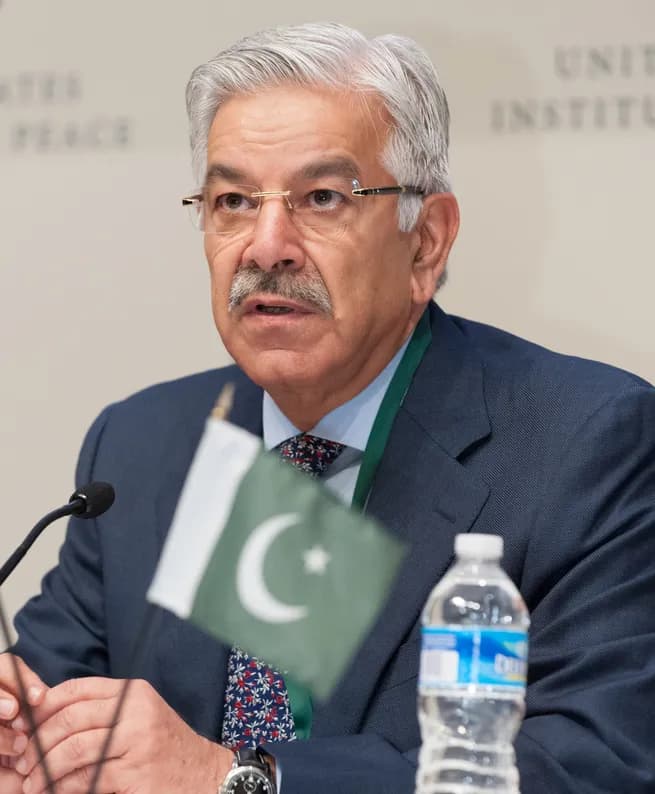
Defence Minister Khawaja Asif stated that nations involved in the Makkah pact will discuss the conflict between Saudi Arabia and Houthi fighters in Yemen during a meeting in Islamabad on Thursday. Asif told AFP that the "continuous turmoil south of Saudi Arabia will obviously be one agenda point in the meeting and it is very important."
The meeting will include defence and foreign ministers from Pakistan, Turkiye, and Saudi Arabia. These three Muslim nations signed the mutual defence agreement in August, pledging to provide aid to one another in the event of an attack. Asif noted that the pact, which was established following US-Israeli strikes on Iran in February, remains at a "nascent stage."
Asif praised the way Riyadh has managed the conflict with the Houthis, who control significant territory in Yemen, including the capital, Sanaa. He emphasized the collective security nature of the agreement, stating, "Any threat to Saudi Arabia is a threat to Pakistan and Turkiye according to the pact, which is absolutely clear."
Regarding the development of the pact, Asif said, "Initially we need to have frequent meetings to steer what is being formulated, in a way that in the next couple of months we have everything in place so that we can move forward."
While Asif declined to comment on how the pact would respond to a direct Iranian attack on Saudi Arabia, he identified Israel as a potential threat to the region. He remarked, "The possibility of some conflict, or aggression from the Israeli side exists, so we need to close our ranks, the countries of this region."
Asif also addressed Pakistan's role in mediating a June accord between the United States and Iran. Although the truce collapsed after both nations accused each other of violations, Pakistan and Qatar have been leading shuttle diplomacy to revive the ceasefire. Asif said Pakistan played "a very, very constructive role" in the process, but noted the current situation is "still fragile" and peace is "not yet embedded in a way people were expecting."