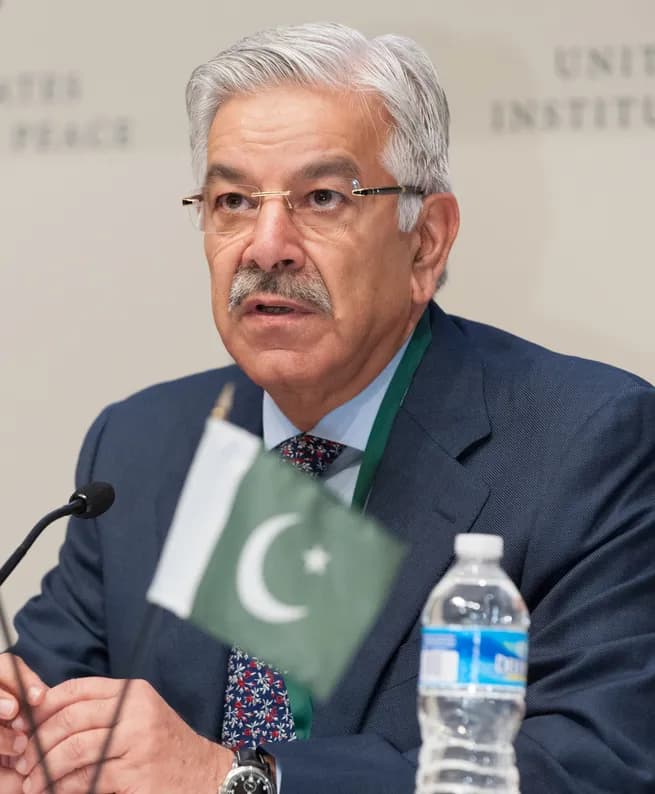
Defence Minister Khawaja Asif indicated on Sunday that consultations regarding the creation of new provinces are moving toward a consensus. Speaking in an interview with the Geo News programme ‘Naya Pakistan’ with Shahzad Iqbal, Asif stated that an agreement on the issue could bring a progressive change to the country's political landscape.
Asif told the anchor that while he had no inside information about the specific discussions, his personal assessment was that the consultations were heading in the direction of building consensus. "In my opinion, the political landscape will change very progressively if this consensus is built and these [new] provinces are created," Asif said. He expressed his belief that it would not take much longer to reach an agreement, describing the process as "moving towards culmination."
Regarding the timeline, Asif shared his personal view that "the new year will see the new system, God-willing," and noted that the process will "take some shape in 2026." He clarified that he was unaware of how the process would culminate and declined to comment on whether a referendum would be held in the National Assembly, warning that such a discussion could create "complications."
Asif rejected the suggestion that the push for new provinces was being driven by certain quarters in relation to his own advocacy. He argued that there is "no need for anyone to feel politically threatened" by the prospect, as political ethos is not static. He expressed regret that changes concerning local governments under the 18th Amendment were not implemented and suggested that political parties could be accommodated on minor issues through a "quid pro quo" arrangement, stressing that no one would have the decision "forced" on them.
The minister also suggested that an agreement on the proposed system could potentially create a "window of opportunity" for the jailed former prime minister Imran Khan to return to mainstream politics. Asif offered what he called "political advice," stating that Imran should not resist the proposal because he had no "fundamental objection" to the creation of new provinces.
The reports of these discussions follow two recent high-level meetings involving the president. While the Presidency refuted reports that President Asif Ali Zardari and Interior Minister Mohsin Naqvi spoke specifically about provinces, official sources told Dawn that both leaders agreed to "strictly adhere to constitutional provisions" governing the creation of new provinces or administrative units. These sources also noted that President Zardari and Prime Minister Shehbaz Sharif agreed that Parliament could not be bypassed in deciding on a referendum.
Asif recently argued that Pakistan could have as many as 12 provinces if guided by administrative requirements rather than linguistic, ethnic, or political considerations, citing the need for smaller units to deliver public services to a growing population. While the PML-N has refrained from a formal policy, the PPP has shown unwillingness to soften its position on new provinces in Sindh, citing a unanimous resolution from the Sindh Assembly. Sindh Chief Minister Murad Ali Shah stated on Wednesday that the division of Sindh was "neither legally nor politically acceptable," though he noted the PPP had no objection to new provinces in other parts of the country.