Key Takeaways
- Pakistan and the UK discussed potential Airbus and Rolls-Royce aircraft and engine arrangements for Pakistan International Airlines (PIA).
- Finance Minister Muhammad Aurangzeb initiated discussions with Boeing and US EXIM Bank for PIA’s fleet modernization.
- The meeting focused on enhancing trade and cooperation in priority sectors, including livestock and healthcare.
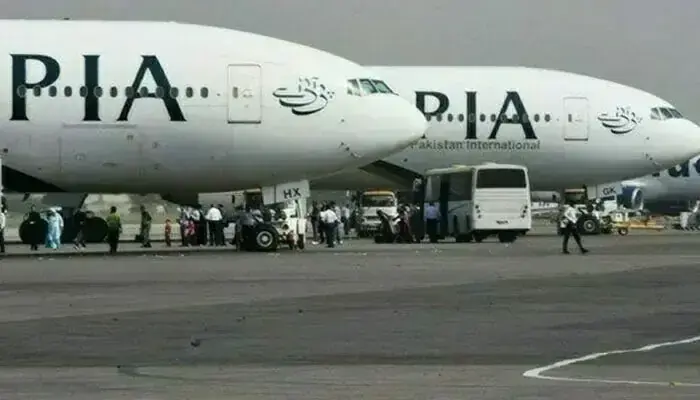
Pakistan and the United Kingdom have discussed potential aircraft and engine arrangements for Pakistan International Airlines (PIA), with options from Airbus and Rolls-Royce. The discussions, held during a meeting between Federal Minister for Commerce Jam Kamal Khan and British High Commissioner Jane Marriott, also explored export credit support and leasing options to address immediate fleet requirements.
During the meeting, the British side briefed the minister on potential aircraft and engine arrangements for PIA, including possible export credit support. Aircraft leasing was discussed as a means of addressing immediate fleet needs while longer-term procurement options are considered.
Finance Minister Muhammad Aurangzeb had previously initiated discussions with Boeing Global President Dr Brendan Nelson regarding PIA’s fleet modernisation, exploring options for earlier delivery slots and interim leasing arrangements. He also met with US EXIM Bank Chair John Jovanovich to seek financing opportunities for PIA’s planned aircraft purchases, specifically Boeing 787 Dreamliners.
Jam Kamal Khan highlighted the importance of PIA’s direct international routes and stressed the need for improved service standards, reliability, and fleet modernisation to rebuild passenger confidence. He noted that PIA’s grounded Boeing 777s require spare parts to be brought back into service.
The meeting also discussed potential areas for long-term, non-legally binding investment partnerships, supported at ministerial level, to provide a framework for cooperation in mutually agreed sectors. These areas include regulatory reforms, trade facilitation, education and workforce skills, and investment financing.
The minister emphasized the importance of livestock as an area for cooperation, noting the prime minister’s interest in strengthening the sector, improving animal productivity, and increasing value addition and meat exports. He underscored the opportunities for British expertise, technology, and investment to support modern livestock practices and stronger commercial linkages.
The High Commissioner highlighted the importance of incorporating food safety and regulatory requirements into sector development, enabling Pakistani producers to access UK and other international markets. The meeting also reviewed ongoing engagement through the healthcare and life sciences working group.
Discussions covered opportunities to promote Pakistani products such as pink salt, olive oil, food products, textiles, and surgical instruments through quality assurance, value addition, and effective marketing. Both sides recognized the potential for Pakistani businesses to develop their own brands and capture greater value from products already supplied to international markets.
The High Commissioner acknowledged Pakistan’s ongoing economic reform efforts, including work on regulatory and tax reforms. The meeting also explored cooperation in Islamic finance, including opportunities to strengthen financial links with the UK.