Key Takeaways
- Finance Minister Muhammad Aurangzeb chaired a meeting to reform the power sector regulatory regime.
- The move aims to empower NEPRA to handle increased solar panel installations and changing electricity demand.
- Reforms include improving efficiency, attracting investment, and promoting private sector participation.
The government has taken steps to strengthen the National Electric Power Regulatory Authority (NEPRA) in response to rising solar panel installations and shifting electricity demand patterns in Pakistan.
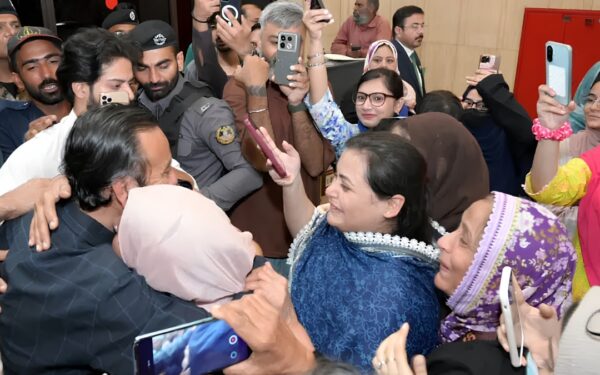
Finance Minister Muhammad Aurangzeb chaired the second meeting of the Steering Committee on Power Sector Regulatory Regime at the Finance Division, focusing on reforms to improve efficiency, attract investment, and promote private sector participation.
The committee reviewed changes in Pakistan’s power sector, particularly the growing trend of solar adoption and the resulting shift in electricity demand.
Aurangzeb emphasized the need for a regulatory framework that keeps pace with technological developments while protecting consumer interests and supporting investment and efficiency.
Participants discussed major challenges, including existing capacity obligations, changing demand on the national grid, service quality, and investment constraints.
The finance minister called for a market structure that offers clearer incentives for efficiency and service quality, while creating more room for competition and private investment.
The committee also considered the possible separation of electricity network and supply functions, with distribution network operators focusing on network operations and competitive supply businesses operating under an appropriate regulatory framework.
These reforms are aimed at creating a more competitive and financially sustainable power sector, ensuring that the regulatory framework can adapt to the increasing use of solar energy and changing consumption patterns.