Key Takeaways
- Saudi Arabia, Pakistan and Turkiye will convene an urgent meeting under a joint defence pact.
- The meeting aims to discuss ways to support Saudi Arabia amid Houthi attacks.
- Houthis have launched strikes on Saudi-backed Yemeni government and Saudi Arabia.
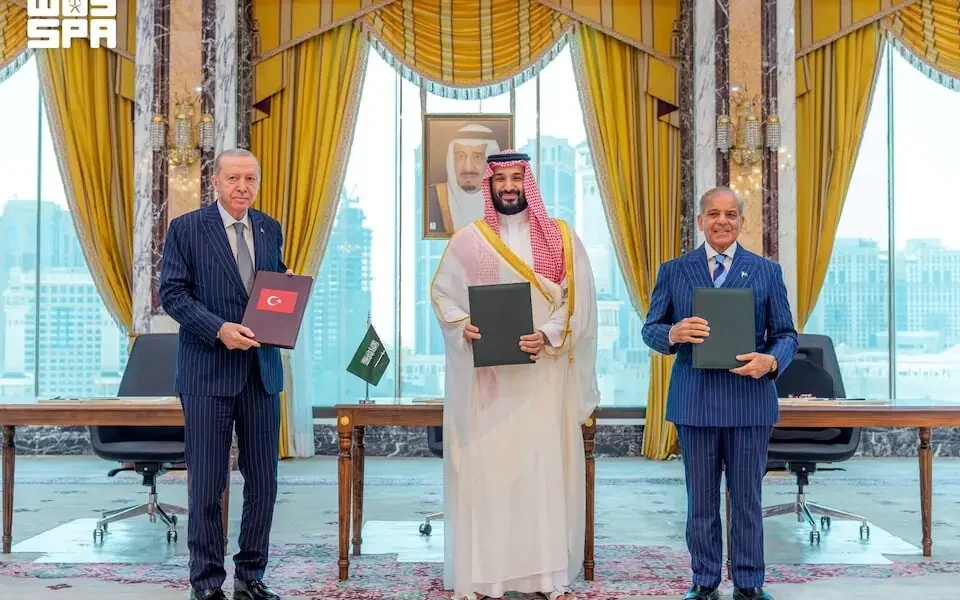
Saudi Arabia, Pakistan and Turkiye will hold an urgent, high-level meeting under a joint defence pact to discuss ways to support Saudi Arabia amid ongoing attacks by Yemen’s Houthis, according to a Saudi foreign ministry statement.
The Houthis have intensified their attacks, launching strikes on the Saudi-backed government in Yemen and repeatedly firing into Saudi Arabia, disrupting oil flows from the world’s largest energy exporter.
On Thursday, the Houthis claimed to have fired dozens of missiles and drones at Saudi targets, while Saudi authorities reported intercepting six ballistic missiles fired by Houthi fighters.
In response, Saudi King Salman issued a rare statement condemning the Houthis as a ‘terrorist militia’ and calling on soldiers to be ready to defend the kingdom.
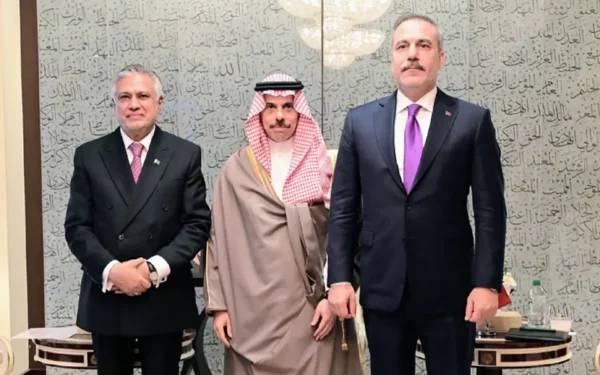
The Saudi, Pakistani and Turkish foreign ministers met within the framework of the Makkah Joint Defence Agreement, affirming Saudi Arabia’s right to defend itself against the attacks.
The ministers also discussed arrangements for holding an urgent meeting of the chiefs of staff of the three countries to discuss support mechanisms under the agreement.
Amid the ongoing conflict, Iranian President Masoud Pezeshkian sought to distance Iran from the Houthis in an American television interview, stating, 'The Houthis are responsible for their own actions.'
Pezeshkian’s comments came amid a brief pause in fighting between the US and Iran and a brief attempt at diplomacy in New York, with Qatar serving as an intermediary.
Iran’s Foreign Minister Abbas Araqchi proposed reopening the Strait of Hormuz if Tehran’s conditions were met, including hostilities ending on all fronts within seven days, and the US lifting its blockade on Iranian ports and waiving oil sanctions.
The Houthis are responsible for their own actions.
Masoud Pezeshkian, Iranian President