Key Takeaways
- Poverty in Pakistan has risen to 25.3% on the national line, with close to 45% of the population below the World Bank’s $4.20-a-day threshold.
- Citizens have driven significant solar panel imports, bypassing traditional government programs and donor funding.
- The state’s response to energy subsidies and climate risks has created friction, hindering economic growth.
The World Bank’s recent report, 'Reclaiming Momentum Towards Prosperity,' highlights a sobering reality for Pakistan: poverty has climbed back to 25.3% on the national line, with nearly 45% of the population falling below the bank’s new $4.20-a-day threshold. This increase underscores the challenges faced by the country in achieving sustainable economic growth.
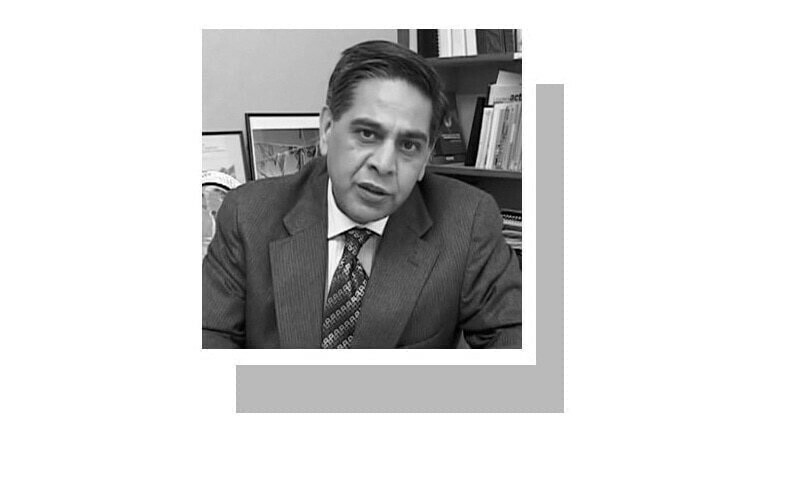
A key factor in this economic stagnation is the reliance on conventional macroeconomic management, which has proven insufficient to address the underlying issues. At the International Conference on Inclusive and Resilient Economic Empowerment and Growth, held in Islamabad, a speaker emphasized the need to break the cycle of prolonged poverty and identify where real growth originates.
One significant shift in the economy has been the massive import of solar panels. In 2024 and 2025, farmers, shopkeepers, and households imported approximately 17 gigawatts of solar panels, driven by the rationality of avoiding expensive diesel costs and the unwinding of unsustainable energy subsidies. This trend bypassed traditional government programs and donor funding, highlighting the proactive role of citizens in driving economic change.
The state’s response to this shift has been mixed. Efforts to tax panel imports and revise net-metering terms have created additional friction, hindering the smooth flow of citizen-led growth. The speaker questioned whether the state would remove this friction or continue to chase donor funding, suggesting that the state’s role should be to facilitate rather than impede progress.
The report also highlighted the issue of unpriced climate risk. Major floods have led to post-disaster needs assessments, reconstruction budgets, and emergency appeals, creating a permanent drag on fiscal space. The speaker argued that the fix is not more tagging of development spending but rather pricing climate risk before it arrives. This means treating climate losses as a contingent liability of each province, similar to how circular debt and SOE guarantees are managed.
In practice, this involves each province estimating its average annual loss from floods, heat, and drought, and appropriating a share of it every year as an expected cost. Budget theorists call this 'expected-value budgeting.' By budgeting for these losses, the state can make informed decisions rather than relying on emergency transfers, which often deplete fiscal space.
The speaker also emphasized the importance of maintenance in economic productivity. Assets such as embankments, drains, canals, and roads fail not because they were not built but because their recurrent budgets are starved. This highlights the need for a more proactive approach to infrastructure maintenance to ensure long-term economic resilience.
In conclusion, the state must address the challenges of unpriced climate risk and the inefficiencies created by prolonged, distorted subsidies. By removing friction and adopting a more proactive approach to budgeting and maintenance, Pakistan can accelerate economic growth and break the cycle of poverty.