Key Takeaways
- Pakistan is providing military support to Saudi Arabia under the Makkah pact.
- The Makkah pact involves Saudi Arabia, Pakistan, and Türkiye, with a focus on collective defence.
- Pakistan warns of a collective response if attacks continue, citing protection of holy sites.
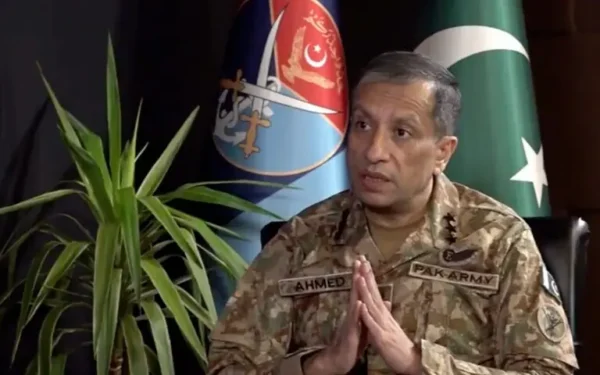
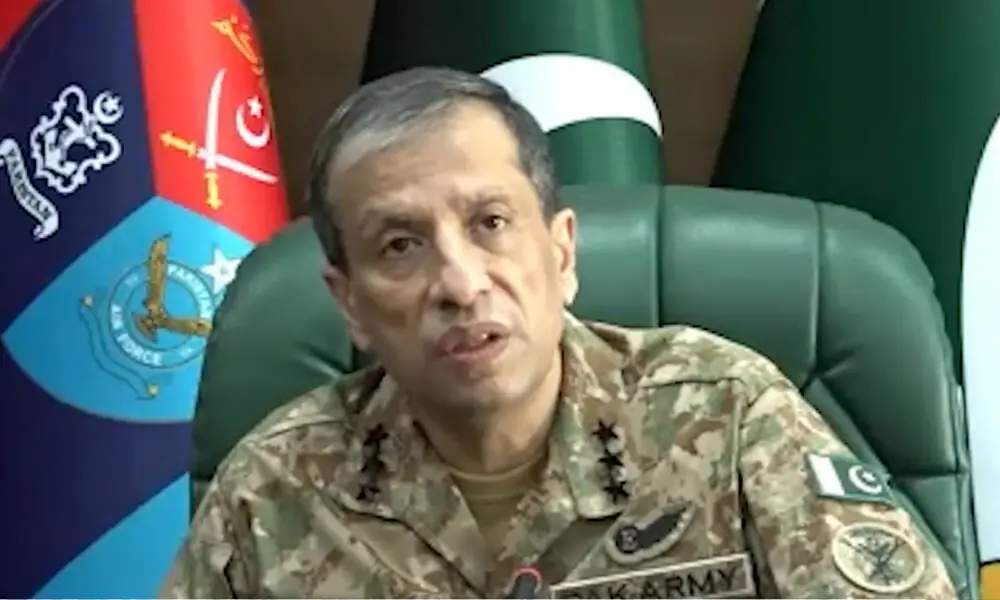
Pakistan has pledged to provide necessary military support to Saudi Arabia under the Makkah pact, a collective defence agreement involving Saudi Arabia, Pakistan, and Türkiye. This support is part of Pakistan's commitment to protect Saudi Arabia's security and its holy sites, according to a statement by the Director General Inter-Services Public Relations (DG ISPR), Lieutenant General Ahmed Sharif Chaudhry.
In an interview with Independent Arabia, Chaudhry warned that any attacks on Saudi Arabia would trigger a collective response under the Makkah pact. He emphasized that the security and protection of Islam's holiest sites are non-negotiable, stating that all necessary support is being provided and will continue.
The Makkah pact, established on the basis of longstanding ties, mutual trust, and a shared vision of security and stability, has seen the creation of a secretariat and a strategic political and defence committee comprising the foreign and defence ministers and military chiefs of the three countries. The arrangement is described as purely defensive and based on Article 51 of the United Nations Charter, which recognizes the right of self-defence.
Chaudhry stressed that if deterrence fails, the three countries would reinforce their collective defence using all available means. He added that Pakistan is prepared to use all available means to protect its sovereignty, territorial integrity, and holy sites, and is considering any formal request for direct military assistance to Yemen’s internationally recognized government.
The military spokesperson also highlighted the widespread anger in Pakistan over the attacks targeting Saudi Arabia and its holy sites, from the public to the country's political and military leadership. He stated, 'Why anyone in his right mind would attack or threaten Saudi Arabia and the holy places or even give an impression of threatening the holy places.'
Pakistan's commitment to the Makkah pact underscores the importance of collective deterrence and the protection of shared interests. The military spokesperson maintained that the arrangement is purely defensive and carries no offensive intent, focusing on the right of self-defence as recognized by the United Nations Charter.
While operational details remain confidential, Chaudhry emphasized the need for tactical and sub-tactical details to be kept private for strategic reasons. He stated, 'There’s an operational confidentiality. [Then,] there’s the tactical [and] sub-tactical details, which are never made public.'
Why anyone in his right mind would attack or threaten Saudi Arabia and the holy places or even give an impression of threatening the holy places.
Lieutenant General Ahmed Sharif Chaudhry, Director General Inter-Services Public Relations