Key Takeaways
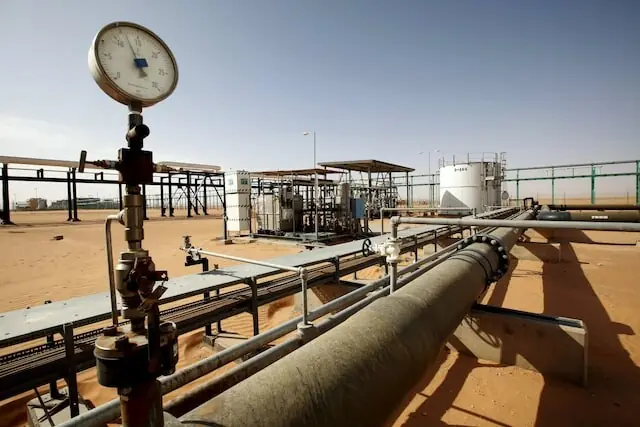
- Pakistan has encouraged domestic refineries to explore imports of Libyan crude oil.
- A Turkish seismic vessel is expected to arrive next month to begin data acquisition in the Indus Basin.
- The move aims to diversify supply sources and strengthen energy security amid Middle East disruptions.
Pakistan has encouraged its domestic refineries to explore imports of Libyan crude oil, aiming to diversify supply sources and enhance energy security. This decision comes amid disruptions to key maritime routes, including the Strait of Hormuz and the Bab al-Mandeb Strait.
During the 17th International Energy Forum (IEF) Ministerial Meeting in Riyadh, Saudi Arabia, Petroleum Minister Ali Pervaiz Malik announced the initiative. He held bilateral meetings with key officials, including Khalifa Rajab Abdulsadek, the Minister of Oil and Gas of Libya, and Turkish Energy Minister Alparslan Bayraktar.
Minister Malik informed his Libyan counterpart about Pakistan’s interest in Libyan crude oil imports. He emphasized the importance of diversifying supply sources to maintain alternative options in the event of disruptions. Khalifa Rajab, on the other hand, expressed interest in learning from Pakistan’s experience in refinery upgradation and encouraged greater volumes of crude oil allocation to Pakistani companies.
The Turkish Energy Minister also called on Ali Pervaiz and mentioned that a TPAO seismic vessel is expected to arrive next month to start data acquisition in the Indus Basin. This move is part of a broader strategy to strengthen energy cooperation between the two countries.
In a detailed breakfast meeting, Ali Pervaiz also discussed possibilities of cooperation in the LNG sector with the Energy Minister of the State of Qatar, Saad Sherida Al-Kaabi. Both ministers highlighted the need for investment in various sectors, including renewable energy, hydrocarbons, critical minerals, and essential infrastructure.
Addressing the plenary session titled ‘Investment and Trade in Sustainable Energy Solutions: Making Energy Clean, Accessible and Affordable,’ the federal minister highlighted the global energy sector’s new investment cycle. He stressed the need for investment in both renewable energy and hydrocarbons, as well as critical infrastructure such as grids and pipelines.
Despite heavy dependence on imported energy, Pakistan managed to navigate the unprecedented global energy supply shock of 2026 without resorting to energy rationing. The government’s response and cooperation from brotherly countries, including Saudi Arabia, Qatar, and Kuwait, played a crucial role.
Pakistan is working to strengthen its long-term energy security architecture through the development of strategic reserves, a world-class bonded reserves scheme, greater indigenous energy production, and targeted relief mechanisms. The minister emphasized the importance of balancing innovation and sustainability with affordability, equity, and access.