Key Takeaways
- Oxfam France is challenging the French state over its constitutional obligations.
- The organization argues that fiscal reforms have disproportionately benefited the wealthy.
- French poverty levels are at their highest in decades, according to Oxfam.
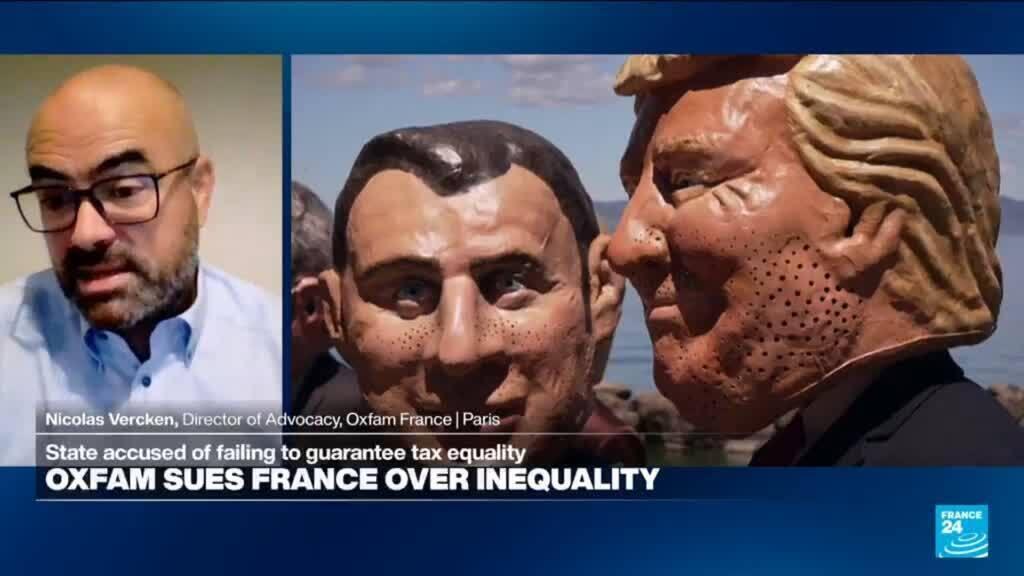
Oxfam France is challenging the French state over its constitutional obligations, arguing that successive fiscal reforms have disproportionately benefited the wealthiest, exacerbating economic inequality in the country. The organization's Director of Advocacy, Nicolas Vercken, explains that the focus is not on the percentage of tax or the burden of the tax system, but on who is being taxed and for what purpose.
Vercken states, 'It’s not so much about how much the percentage of tax and the burden of our tax system, it’s who you tax and for what.' This challenge comes as France faces mounting fiscal pressures and contentious budget negotiations, with poverty levels at their highest in decades, according to Oxfam.
The legal initiative aims to establish whether the French state has failed in its constitutional obligations, potentially placing fiscal inequality under judicial scrutiny for years to come. Oxfam France argues that the current tax system has failed to address the growing wealth gap, leading to increased economic disparity.
The organization's challenge is part of a broader critique of what it calls 'trickle-down economics,' a term often used to describe policies aimed at stimulating the economy by providing tax cuts and other benefits to the wealthy, with the expectation that the benefits will eventually 'trickle down' to the broader population.
According to Oxfam, the impact of these policies is evident in the rising levels of poverty and hunger in France. Vercken emphasizes the need for a more equitable tax system that addresses the needs of the less fortunate, stating, 'We need a system that ensures the wealthiest contribute more to support the less fortunate.'
The legal challenge is expected to have significant implications for the French government and its approach to taxation. If successful, it could lead to changes in the tax system that prioritize social justice and economic equality.
Oxfam's challenge is part of a growing movement across Europe and beyond, where organizations and individuals are questioning the effectiveness of current economic policies and advocating for more equitable distribution of wealth and resources.
The organization's efforts are part of a broader push for a more just and equitable society, where the tax system plays a crucial role in addressing economic inequality. As the legal challenge progresses, it will be closely watched by both policymakers and the public.
It’s not so much about how much the percentage of tax and the burden of our tax system, it’s who you tax and for what.
Nicolas Vercken, Director of Advocacy for Oxfam France