Key Takeaways
- Overhead projectors were originally developed for military purposes.
- They transformed teaching methods in schools, making lessons more interactive.
- The technology changed how students learn, impacting education globally.
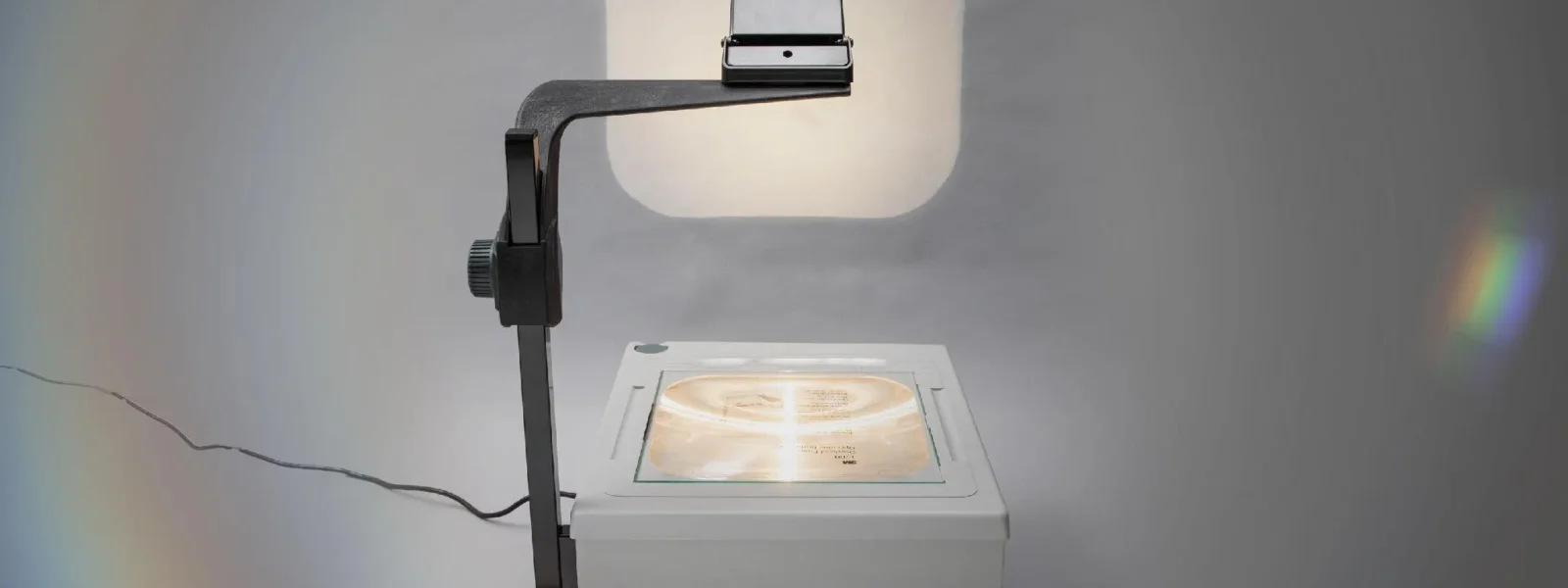
Overhead projectors, once a military tool, have become an integral part of modern classrooms, transforming the way students learn and interact with educational content.
Developed for military applications, these projectors were first introduced in the 1930s, initially used for projecting maps and diagrams during training exercises.
Their transition into educational settings began in the 1960s, when they were first used in schools to project images and documents onto a screen, making lessons more engaging and interactive.
The introduction of overhead projectors allowed teachers to present information in a dynamic and visual manner, enhancing the learning experience for students.
These devices were particularly useful in subjects like mathematics and science, where visual aids are crucial for understanding complex concepts.
Overhead projectors also facilitated group work and collaborative learning, as multiple students could view and discuss the projected content together.
Their widespread adoption in schools was driven by their ease of use and the ability to project a wide range of materials, from transparencies to handwritten notes.
While they have since been largely replaced by digital projectors and interactive whiteboards, overhead projectors remain a significant part of educational history, marking a pivotal shift in teaching methods.
The legacy of overhead projectors continues to influence modern educational technology, highlighting the importance of visual aids in enhancing student engagement and understanding.