Key Takeaways
- OPEC+ kept its oil output policy unchanged for October.
- The decision comes amid ongoing disruptions in oil exports through the Strait of Hormuz.
- The group's ability to influence prices and market share is limited by the Iran conflict.
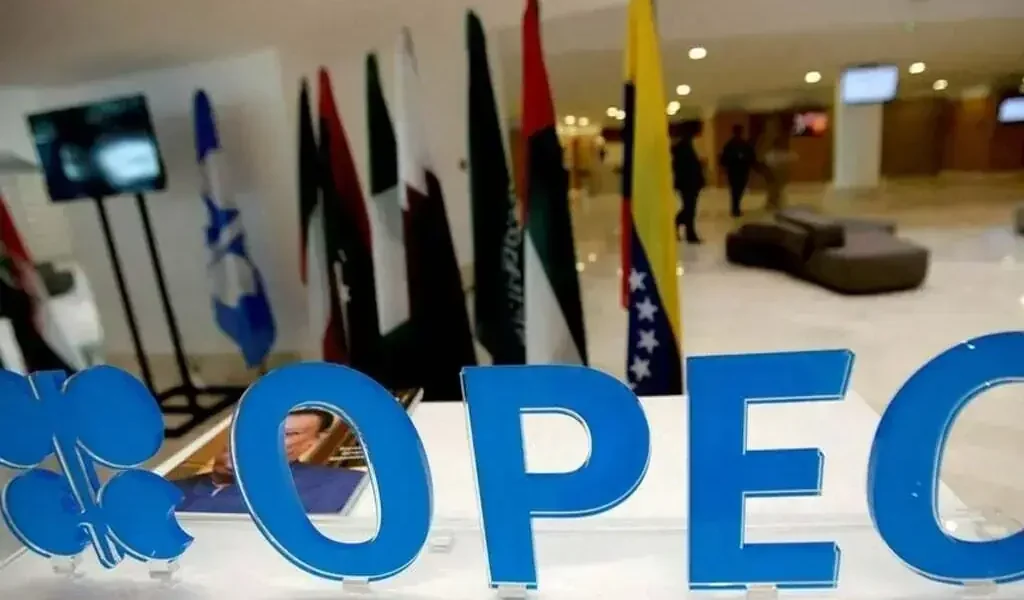
OPEC+ maintained its oil output policy for October, as stated in a Sunday meeting of seven core members: Saudi Arabia, Russia, Iraq, Kuwait, Algeria, Kazakhstan, and Oman. The decision was made despite the ongoing Iran conflict, which continues to disrupt oil exports through the Strait of Hormuz.
According to Jorge Leon of Rystad Energy, OPEC+ currently has limited power over the physical oil market. While the group can adjust production targets, it cannot guarantee that the barrels will be produced or reach the market.
The group's ability to influence prices and market share is further constrained by the Iran conflict, which limits its control over oil exports. In August, OPEC+ agreed to a phased rollback of a 1.65 million-barrel-per-day supply cut first agreed in 2023, but production remains far below targets.
OPEC+ still has another layer of production cuts in place, covering most members of the 21-country group until the end of 2026. Before deciding how to unwind these cuts and return production to the market, the group needs to review members' oil production capacity to set 2027 output baselines.
This debate is likely to occur later in 2026, and OPEC+ is likely to pause its output increases for the fourth quarter, as previously reported by Reuters.
The statement on Sunday did not mention any policy beyond October. The seven OPEC+ members who met on Sunday, plus the United Arab Emirates until it left OPEC in May, have been involved in monthly output decisions in recent years.
The next meeting of the seven OPEC+ members is scheduled for October 4, where they will likely continue to discuss the group's future oil production strategies.