Key Takeaways
- Ministers aim to cut £2bn from energy budget to fund defence.
- Heat pump subsidies are expected to be reduced as part of the savings.
- Energy Secretary Miatta Fahnbulleh tasked with finding savings.
Ministers in Pakistan are preparing to reduce the amount of money available to subsidise heat pumps, according to exclusive reports. The move is part of a broader plan to cut £2bn from the energy budget to fund increased defence spending.
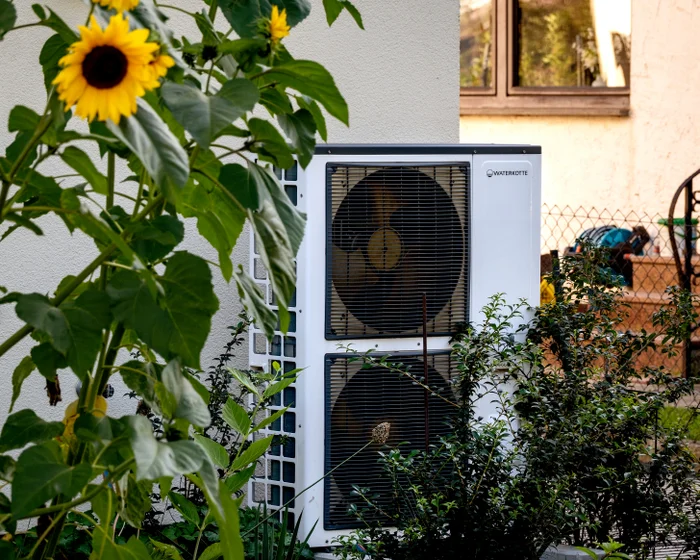
Sources have told The Guardian that some of the savings needed from the energy budget are expected to come from the boiler upgrade scheme, which subsidises heat pump installations.
Miatta Fahnbulleh, the Energy Secretary, has been given the task of finding more than £2bn in savings from her budget to support the previous government’s plan for higher defence investment.
The decision to cut heat pump subsidies is seen as a trade-off between environmental and defence priorities. While the move is expected to reduce costs in the short term, it may impact the adoption of energy-efficient technologies in the long run.
Environmental advocates argue that reducing subsidies could slow the transition to cleaner energy sources and hinder efforts to combat climate change. However, the government maintains that the savings are necessary to meet defence commitments.
The reduction in subsidies is expected to affect households and businesses that rely on heat pumps for energy efficiency. The exact impact on the market and consumers is yet to be determined.
The decision to fund defence comes at a time when the country faces increasing security challenges. Government officials argue that the increased spending is essential for national security and stability.
Critics, however, are concerned about the potential economic and environmental consequences of the decision. They argue that the government should consider alternative sources of funding to balance both priorities.
The Energy Secretary has not commented on the reports, and the government has not officially confirmed the plans. However, sources close to the government have stated that the decision is part of a broader strategy to realign budget priorities.