Key Takeaways
- Assistant Treasurer Daniel Mulino denies Labor is softening proposed 30% tax on discretionary trusts.
- Changes are described as necessary for fairness in the tax system, aligning trust taxation with earned income.
- Opposition to the changes is seen as a threat to the Liberal party's standing in polls.
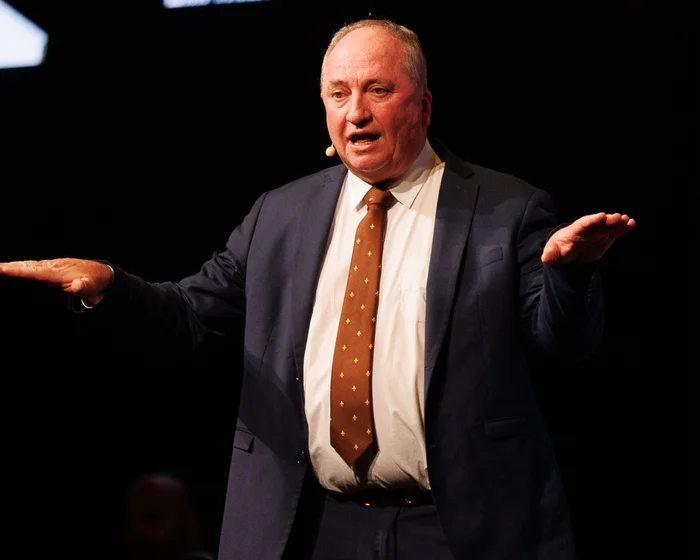
Assistant Treasurer Daniel Mulino has dismissed suggestions that Labor is backing away from its proposed changes to impose a minimum 30% tax on discretionary trusts, stating that the party is not 'watering down' the measures.
Mulino emphasized that these changes are part of a 'very substantial review' aimed at ensuring fairness in the tax system, particularly in how income from trusts is taxed compared to income from labor.
He pointed out that calls for such changes have been consistent over decades, citing major reviews from the 1970s through to the Abbott government's review, indicating a long-standing demand for reform.
Mulino's comments come amid growing pressure on the Liberal party, with recent polls showing it at an all-time low. He acknowledged the existential threat this poses to the party, suggesting that changes are necessary to address public concerns.
Despite the political climate, Mulino maintained that the party is not rushing to a decision, noting that the next election is still 18 months away. He emphasized that the review process is ongoing and that the government is committed to making the necessary adjustments.
Opposition figures have been critical of the Liberal party's handling of the issue, with some calling for better performance. Mulino's statement is seen as a response to these criticisms, aiming to reassure the public and party members that the proposed changes are being taken seriously.
The assistant treasurer's stance is part of a broader debate within the Australian political landscape, where calls for tax reform and fairness are increasingly being highlighted by various stakeholders, including experts and the public.
Mulino's comments reflect the ongoing tension between political pragmatism and the need to address long-standing issues in the tax system, as well as the pressure on political parties to respond to public sentiment and maintain their electoral relevance.