Key Takeaways
- Federal Minister for Petroleum Ali Pervez Malik blamed the closure of the Pakistan-Iran border for the rise in LPG prices.
- The minister stated that 50 to 60 percent of LPG is imported from Iran, with the rest coming from Qatar.
- Due to the US-Iran conflict, LPG supplies from Qatar have been suspended, forcing the government to seek alternative sources.
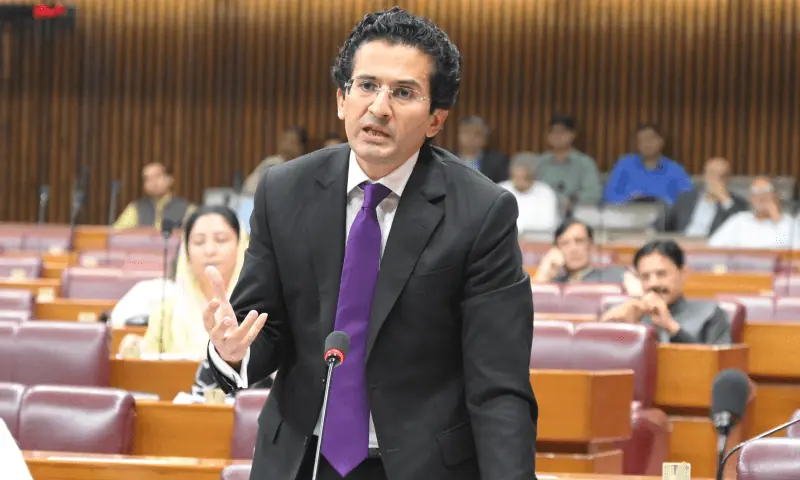
Federal Minister for Petroleum Ali Pervez Malik informed the National Assembly that the closure of the Pakistan-Iran border is a significant factor contributing to the soaring prices of Liquefied Petroleum Gas (LPG) in the country.
The minister responded to a calling attention notice moved by Ms Aliya Kamran, Shahida Begum, and Naeema Kishwar Khan, highlighting the urgent public concern over the unprecedented increase in LPG prices.
In remote and northern areas, LPG is selling at Rs 700 to Rs 800 per kg, significantly higher than the official price of Rs 280 per kg set by the Oil and Gas Regulatory Authority (Ogra).
LPG is a primary fuel in these regions where piped gas is not available, and its consumption peaks during winter months.
Naeema Kishwar questioned the government’s decision to suspend trade with Iran through the border, to which the minister replied that 50 to 60 percent of LPG is imported from Iran, while the rest is sourced from Qatar.
Due to the ongoing US-Iran conflict, LPG supplies from Qatar have been suspended, necessitating the government to explore alternative sources.
The minister acknowledged that the official price of LPG, as set by Ogra, is Rs 280 per kg, but noted that even during times of surplus supply, LPG is not sold at this rate.
The government is currently reviewing the entire system and has a policy to acquire gas from other sources abroad to ensure a steady supply.
Closure of Pak-Iran border is one of the main reasons of high prices of LPG and now we are trying to get the fuel from sea route.
Ali Pervez Malik, Federal Minister for Petroleum