LIVE Watch Now Punjabi News Channel from Pakistan
Breaking
White House releases controversial ‘arcade’ gamesUS Envoys to Visit Moscow and Kyiv in Peace EffortsSenate Committee on Education Meets at Governor HousePM Sharif Congratulates Italian Prime Minister MeloniComplete map of male fruit fly brain completedGovernment Decreases Petrol Price for Three DaysPakistan and ADB Agree on Early Start for ML 1 Railway ProjectPunjab Government Launches Climate Leadership Internship ProgramMedieval manuscripts reveal ancient sheeppox virusOGDCL Reports Record Profit of Rs242.4bn for FY2025-26Pakistan’s Hiring System Fails to Match Talents with OpportunitiesActing President Gilani Meets with Human Rights Ambassador and Insurance Company ChairmanCommerce Coordinator Outlines Strategies for Boosting High-Value ExportsPakistan Seeks Larger Slice of Global Flexible Packaging MarketPTA Approves Ufone-Telenor RebrandingPrivate Hajj packages gain momentum as firms upload detailsGovernment Adjusts Fuel Prices AgainHesson hopes Pakistan team can overcome chaos for third TestISI Chief Maj Gen Faisal Naseer Transferred to NactaMinister Urges Global Promotion of Pakistan’s Literary HeritageWhite House releases controversial ‘arcade’ gamesUS Envoys to Visit Moscow and Kyiv in Peace EffortsSenate Committee on Education Meets at Governor HousePM Sharif Congratulates Italian Prime Minister MeloniComplete map of male fruit fly brain completedGovernment Decreases Petrol Price for Three DaysPakistan and ADB Agree on Early Start for ML 1 Railway ProjectPunjab Government Launches Climate Leadership Internship ProgramMedieval manuscripts reveal ancient sheeppox virusOGDCL Reports Record Profit of Rs242.4bn for FY2025-26Pakistan’s Hiring System Fails to Match Talents with OpportunitiesActing President Gilani Meets with Human Rights Ambassador and Insurance Company ChairmanCommerce Coordinator Outlines Strategies for Boosting High-Value ExportsPakistan Seeks Larger Slice of Global Flexible Packaging MarketPTA Approves Ufone-Telenor RebrandingPrivate Hajj packages gain momentum as firms upload detailsGovernment Adjusts Fuel Prices AgainHesson hopes Pakistan team can overcome chaos for third TestISI Chief Maj Gen Faisal Naseer Transferred to NactaMinister Urges Global Promotion of Pakistan’s Literary Heritage
◕ SundialUpdated 16 hours ago
Trending
Science & Health

Medieval manuscripts reveal ancient sheeppox virus

Scientists extract sheeppox DNA from medieval manuscripts to trace its evolution over 3,500 years, revealing its impact on Eurasian sheep herds.

Add Sun News on Google News
Medieval manuscripts reveal ancient sheeppox virus
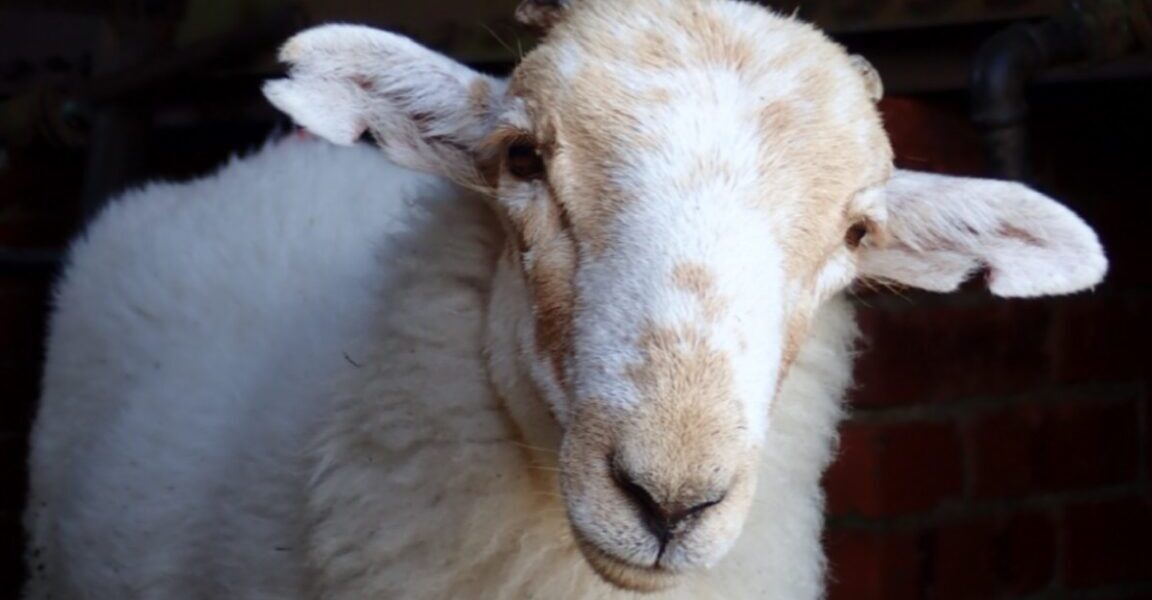
Parchment from medieval manuscripts, used in this study to trace the evolution of the sheeppox virus.

Key Takeaways

  • Scientists extracted sheeppox DNA from medieval manuscripts to trace its evolution over 3,500 years.
  • The virus has affected Eurasian sheep herds since at least the first century CE, with frequent outbreaks in the Middle Ages.
  • Parchment from manuscripts acts as a 'biological time capsule', preserving genetic traces of ancient diseases.

Scientists have discovered that medieval manuscripts can serve as 'biological time capsules', preserving genetic traces of ancient diseases, including the sheeppox virus. This groundbreaking research, published in the journal Science Advances, reveals the virus has affected Eurasian sheep herds for at least 3,500 years.

The study, led by Louis L’Hôte, a graduate student at University College Dublin, involved extracting and sequencing sheeppox DNA from animal skins used for parchment in numerous medieval manuscripts. This method allowed researchers to trace the virus's evolution over time.

The earliest known written evidence of sheeppox infection dates back to the first century CE, with Roman accounts describing outbreaks of skin lesions in sheep. By the Middle Ages, there were more frequent mentions of deadly outbreaks, recorded in various agricultural texts and accounting documents in France, Spain, and England.

AdvertisementFollow Sun NewsWatch Live

While there seemed to be a decline in outbreaks in 17th-century France, frequent outbreaks re-emerged in the 18th and 19th centuries, often with high mortality rates in the flocks. Great Britain did not experience a resurgence of sheeppox until 1847.

According to the study, these ancient genetic traces help us understand how pathogens evolved and impacted past societies. 'These genomes help us understand how these pathogens evolved and how they impacted past societies—such as sheeppox virus, which we show has been affecting Eurasian sheep herds for at least three and a half millennia,' said L’Hôte.

The findings suggest that archives and libraries around the world may contain the genetic traces of disease outbreaks in animals in the past. 'The recording of ancient DNA of pathogens has completely changed our understanding of infectious disease in the past, and here we show that parchment can also preserve animal pathogen DNA,' added L’Hôte.

This research not only sheds light on the historical impact of sheeppox but also opens up new avenues for studying ancient diseases. It highlights the potential of using non-traditional sources, such as medieval manuscripts, to understand the history of infectious diseases.

The recording of ancient DNA of pathogens has completely changed our understanding of infectious disease in the past, and here we show that parchment can also preserve animal pathogen DNA.

Louis L’Hôte, Graduate student at University College Dublin