Key Takeaways
- Researchers have completed a map of every neuron in the brain of a male fruit fly.
- This work follows the completion of a female fruit fly brain map earlier this year.
- The project aims to provide tools for neurobiology research and refine techniques for studying complex nervous systems.
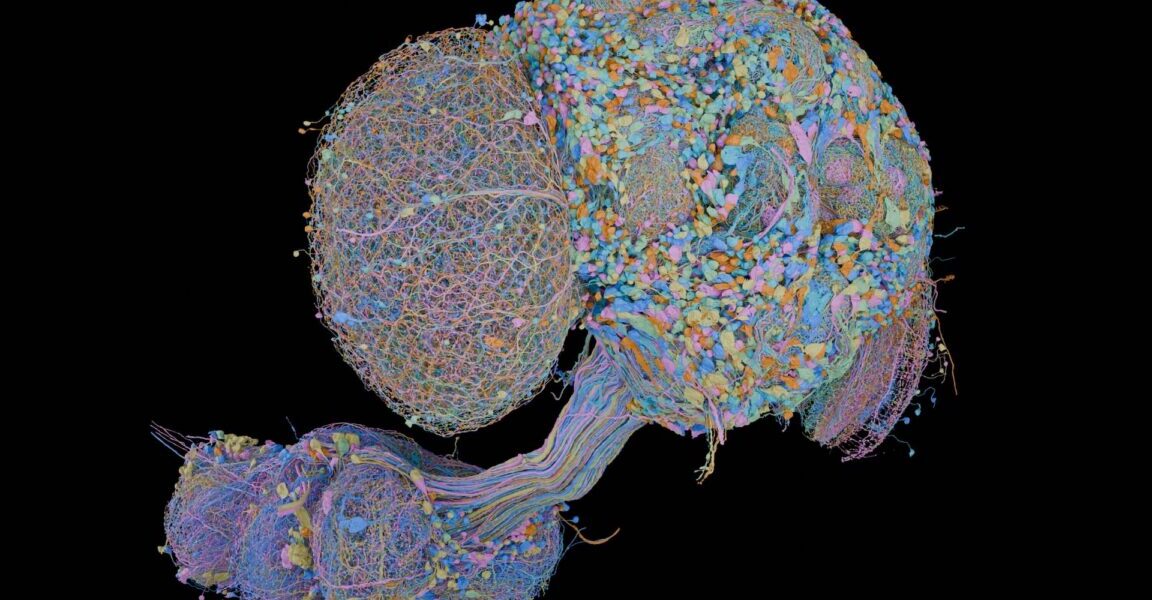
Scientists have announced the completion of a comprehensive map of the brain of a male fruit fly, following the earlier mapping of a female fruit fly. This significant achievement, a collaboration between biologists at the Howard Hughes Medical Institute's Janelia Research Campus and computer scientists at Google, marks a major step forward in neurobiology research.
The map, known as a 'connectome,' provides a detailed view of every neuron in the fruit fly's brain, offering researchers a valuable tool to understand brain function and structure. The connectome of the female fruit fly was completed earlier this year, making this the second such complete map.
The process of preparing an entire brain for imaging at the necessary resolution and interpreting the images is complex and requires specialized skills. The team behind the project acknowledges that neither could have completed the task without the expertise of the other. The work involved refining tools that are likely to be applied to more complex nervous systems, including potentially those of vertebrates.
The connectome of the male fruit fly provides a unique opportunity for scientists to study the differences between the sexes at the neural level. This could lead to a better understanding of how gender affects brain function and potentially inform research in areas such as neurodegenerative diseases and cognitive disorders.
The project's leaders expect that in the long term, the effort will be worthwhile, as the connectome could give neurobiologists a valuable tool for understanding how the brain works. The work also provides an opportunity to refine tools that can be applied to ever-more complex nervous systems, including potentially those of vertebrates.
The completion of these maps is a significant milestone in the field of neurobiology, offering researchers a new level of detail to explore. The tools and techniques developed during this process are expected to have far-reaching applications, potentially leading to breakthroughs in understanding brain function and disease.