Key Takeaways
- Progressive candidates are winning primary elections with the help of left-wing media.
- New media platforms allow candidates to build national profiles and raise funds independently.
- This trend risks deepening divisions within the Democratic Party.
In recent US primary elections, progressive candidates have secured victories by leveraging a new generation of left-wing media. Pennsylvania state Representative Chris Rabb, who recently won a congressional primary against a more moderate rival, credits his success to appearances on programs like 'The Majority Report with Sam Seder' and 'Breaking Points'.
These platforms, which include podcasts, YouTube hosts, and livestreamers, offer candidates a sympathetic space to articulate their views and mobilize grassroots support. According to Rabb, these media outlets help increase visibility, validation, and fundraising capabilities.
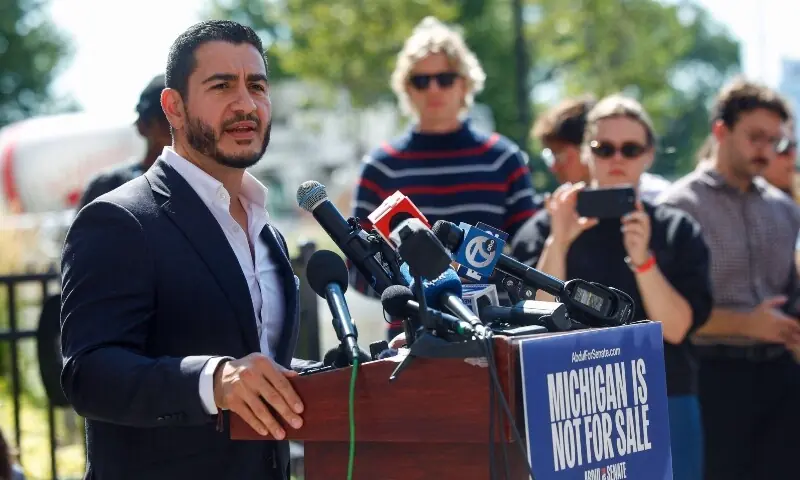
The success of progressive candidates like Abdul El-Sayed in Michigan’s Democratic Senate primary against the party establishment highlights the growing influence of this new media ecosystem. Despite being outspent by millions on television advertising from pro-Israel groups, El-Sayed managed to win in a swing state carried by Republican President Donald Trump in 2024.
New media entrepreneurs argue that they are filling a void in mainstream political coverage and providing a platform for underrepresented views such as universal healthcare, abolishing ICE, and cutting military aid to Israel. Mehdi Hasan, who launched his own news organization Zeteo, notes the audience's demand for different viewpoints: 'The same energy that enabled us to be a success as a media entity has enabled a lot of political candidates to be successes.'
While much smaller than right-wing media, left-wing digital publishers are becoming increasingly significant in Democratic politics. Zeteo boasts 700,000 Substack subscribers, up by 50% from the previous year. 'The Majority Report with Sam Seder' has over two million YouTube subscribers, and progressive commentator Hasan Piker has more than three million followers on Twitch.
For campaign strategists, this new media environment offers candidates long, in-depth conversations on policy issues, direct engagement with voters, and viral clips that can be shared across social platforms. This approach contrasts sharply with the superficial coverage often seen on cable news.
However, some analysts warn that this trend risks deepening divisions within the Democratic Party by alienating moderates who may feel left behind. The growing influence of progressive media could also lead to a more polarized political landscape in the United States.
As traditional media faces declining trust and reach, independent content creators are becoming key players in shaping primary campaigns, fundraising, and activist organizing.
It helps me increase my visibility, validation and ability to raise money.
Chris Rabb, Democratic socialist, Pennsylvania state Representative
The same energy that enabled us to be a success as a media entity has enabled a lot of political candidates to be successes.
Mehdi Hasan, Former MSNBC host and founder of Zeteo