Key Takeaways
- Interior Minister Mohsin Naqvi announced overseas training will become a permanent part of police development.
- A pilot project in Islamabad aims to establish China-style law enforcement investigation centres.
- Modern surveillance tools and techniques from developed countries will be integrated into police training.
Interior Minister Mohsin Naqvi has declared that overseas training for police officers will now form a permanent part of their professional development programme. This decision follows recent training programmes in China and Türkiye, where assistant superintendents of police were briefed on modern law enforcement practices.
During the meeting with returning officers, Naqvi highlighted the importance of international exposure, stating that it has expanded the officers' skills and will help improve policing standards in Pakistan. He emphasized the need to adapt successful policing models from other countries to strengthen local law enforcement systems.
A key component of this initiative is a pilot project in Islamabad aimed at establishing China-style law enforcement investigation centres. These facilities will handle detention, investigation, and summary trials under one roof, ensuring the swift disposal of minor criminal cases. The minister believes such centers can significantly enhance operational efficiency.
To support these efforts, the Interior Ministry’s aviation wing plans to receive advanced drones for surveillance purposes. Additionally, specialised investigation rooms will be set up at the National Police Academy, with interrogation being introduced as a dedicated subject in police training curricula. Modern techniques used in developed countries will also be incorporated into the training curriculum.
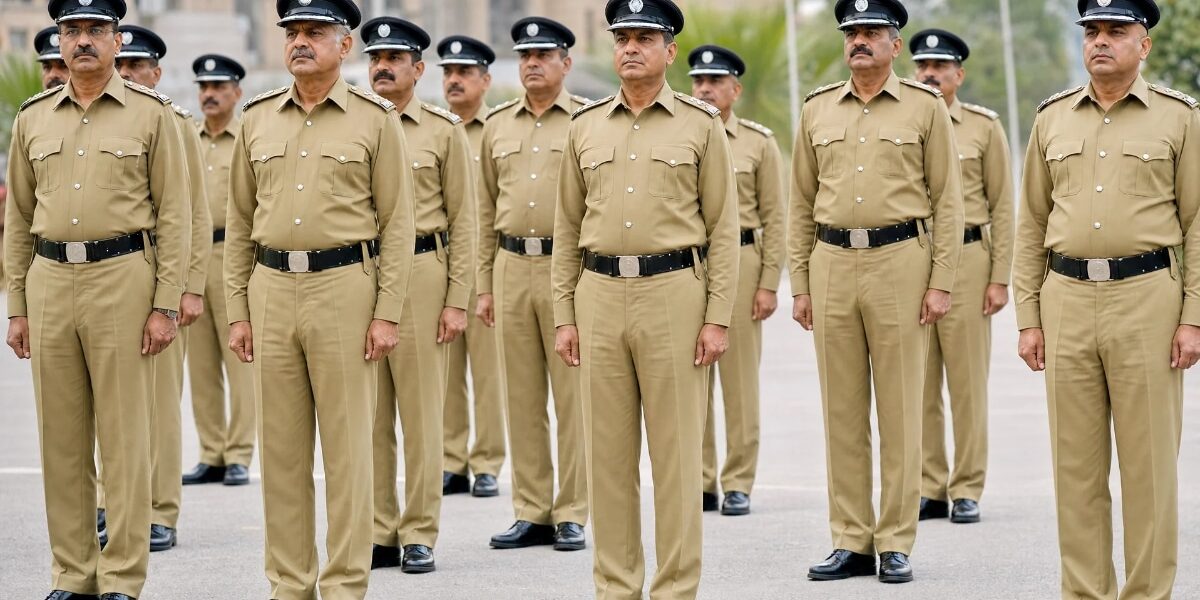
Naqvi further announced plans to introduce new police uniforms better suited to operational needs. The overall goal is to modernize and professionalize the police force by integrating advanced technology, surveillance tools, and effective investigative methods.
The meeting was attended by senior officials including the commandant of the National Police Academy, the director general of the Federal Investigation Agency, and other key personnel. This collaborative approach underscores the government's commitment to improving law enforcement capabilities in Pakistan.