Key Takeaways
- Lahore topped global pollution rankings with an AQI of 410.
- Physicians advised residents to wear masks and avoid outdoor exercise.
- Vehicle emissions and crop-residue burning contribute to the pollution.
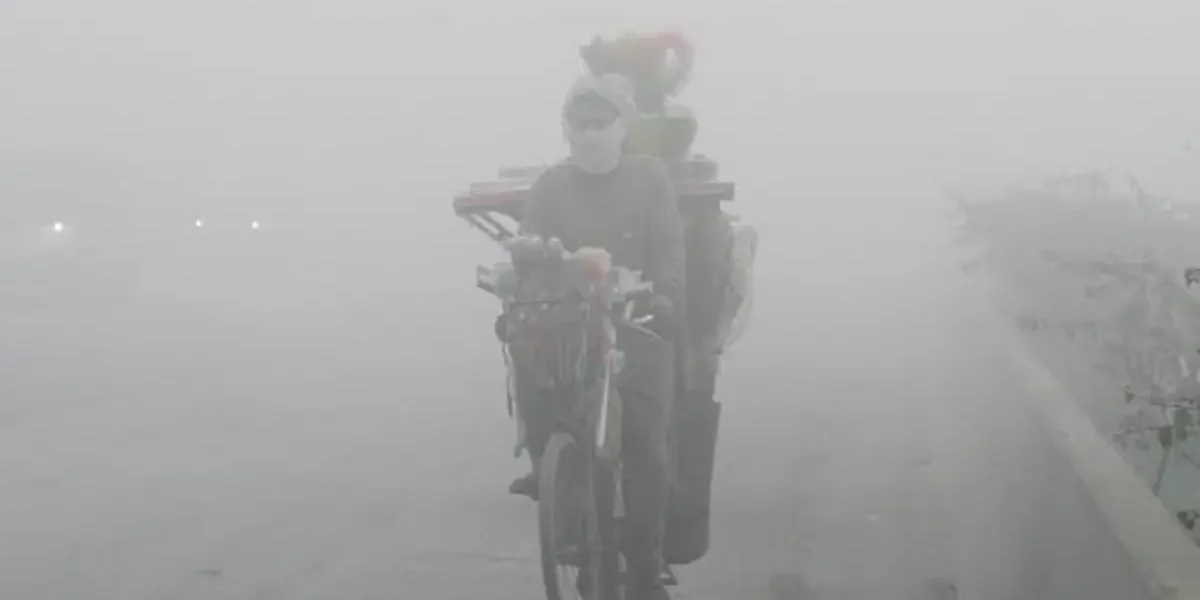
Lahore has been ranked as the world’s most polluted major city, with its air quality index (AQI) reaching hazardous levels of 410, according to Swiss air quality monitoring platform IQAir.
The city’s air quality was recorded at 410 on Friday morning, placing it in the ‘hazardous’ category. India’s New Delhi ranked second with an AQI of 203, followed by Senegal’s Dakar at 196.

IQAir’s live tracker highlighted the primary pollutant in Lahore as fine particulate matter (PM2.5), with a concentration 45.2 times higher than the World Health Organisation’s annual guideline value.
Physicians advised Lahore residents to wear masks outdoors to reduce exposure to air pollution. They also recommended avoiding outdoor exercise, keeping windows closed, and using indoor air purifiers.
The air pollution in Lahore has become a major environmental and public health concern, particularly during the winter smog season. The city’s AQI was 110 on IQAir’s broader list, while Karachi recorded a lower AQI of 110.
Vehicle emissions, industrial pollution, and crop-residue burning contribute to the problem, with weather conditions limiting the dispersal of pollutants.
IQAir’s rankings reflect live readings that can fluctuate throughout the day, indicating the dynamic nature of air quality in Lahore.
The platform identified fine particulate matter (PM2.5) as the city’s primary pollutant, which can penetrate deep into the lungs and increase the risk of serious health problems with prolonged exposure.