Key Takeaways
- An action plan has been prepared for Khyber Pakhtunkhwa, proposing 206 measures for 27 departments.
- The plan focuses on law and order, administrative structure, public services, and economic stability.
- Key initiatives include road construction, school improvements, and health sector reforms.
An action plan has been prepared for Khyber Pakhtunkhwa, proposing 206 measures for 27 departments to ensure political and economic stability in the province.
The plan, which will be implemented over 100 to 180 days, aims to address critical areas such as law and order, administrative structure, public services, and economic stability.
Specific initiatives include the construction and repair of roads, addressing the shortage of medicines in hospitals, and providing new furniture in schools and health centres.
The plan also includes programmes for interest-free loans and technical training for the youth, with a focus on improving government performance and delivering public facilities.
Various visits and meetings were held by the provincial government, a former senator and interior minister, advisers of different departments, and government officers to finalize the plan.
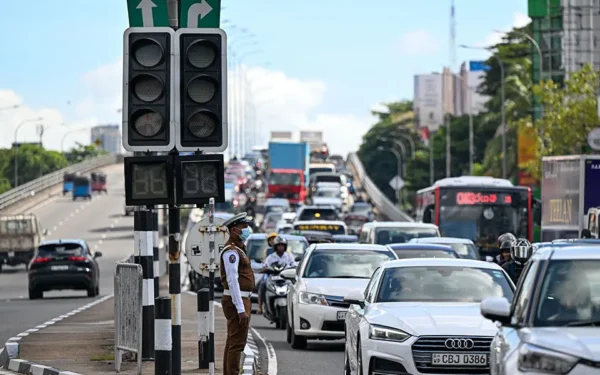
Roads will be repaired and beautified, with around 1,150 major roads being worked on, covering eight thousand open manholes, and improving cleanliness at four thousand locations.
The plan also includes the construction and improvement of the Bannu Bypass, the revival of non-functional water supply schemes, and the improvement of basic health centres.
In the health sector, the plan proposes immunisation services, 24-hour facilities, and digital monitoring of staff attendance, ensuring at least 80 percent availability of essential medicines.
In the education sector, the plan includes improving 1,500 schools, addressing the furniture shortage for around 700,000 students, and expanding Rescue 1122 services in southern Khyber Pakhtunkhwa.
For the youth, proposals include interest-free loans, technical training, employment-linked skills, and the promotion of business and research projects at universities.
In the energy and minerals sector, concessional financial support for solar home systems will be provided to 65,000 households, especially widows and deprived segments.