Key Takeaways
- India’s food safety regulator proposes a ban on added sucrose and fructose in infant foods.
- The move aims to reduce infants' exposure to added sugars and address childhood obesity.
- Regulators have intensified food safety checks, including raids and public updates.
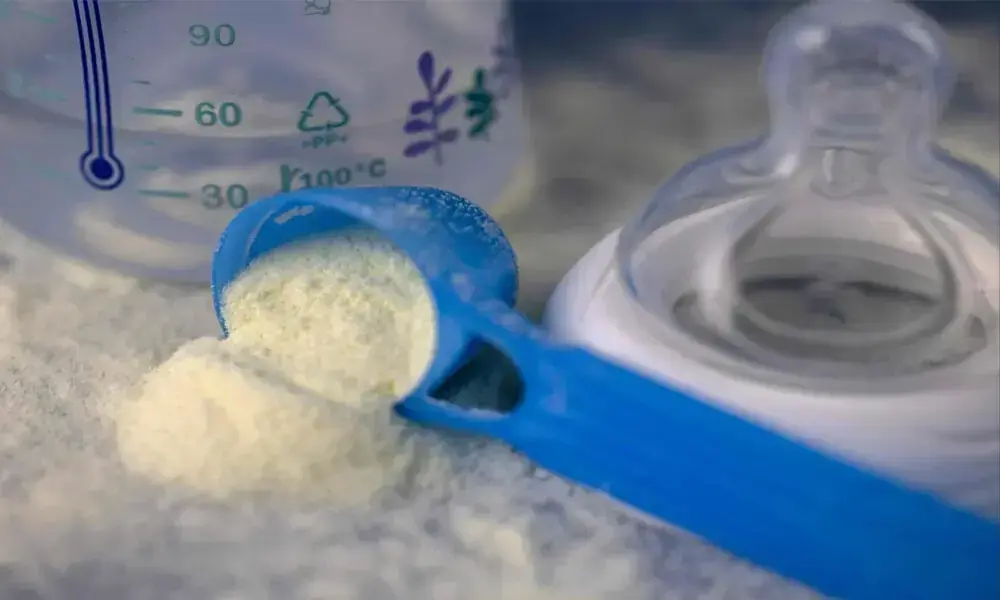
India’s food safety regulator, the Food Safety and Standards Authority of India (FSSAI), has proposed a ban on adding sucrose and fructose to food products for infants up to six months of age. This move is part of a broader crackdown on food safety in the country.
Under existing rules, lactose and glucose polymers are the preferred carbohydrate sources in infant nutrition products, while sucrose and fructose can be added when required, subject to prescribed limits. The proposed ban aims to tighten these regulations further.
The FSSAI stated that the measure is intended to reduce infants' exposure to added sugars and address health risks linked to childhood obesity. India has seen a significant rise in obesity rates, with 180 million overweight or obese adults in 2021, a figure projected to reach 450 million by 2050, according to a study published in The Lancet.
In recent months, regulators have intensified their checks on food safety. Public updates, including photos and videos of raids, have drawn widespread attention online. In August, the FSSAI proposed a red hexagonal stamp on labels of food products high in any two or more nutrients of concern such as sugar, salt, or saturated fat. However, the proposal was tightened after a public outcry, requiring a warning if even one nutrient exceeds the prescribed level.
The proposed ban on added sugars in infant foods is part of a series of measures aimed at improving public health. The FSSAI has been working to tighten regulations on various food products, including front-of-pack warning labels and regular public updates on food safety violations.
Activists and officials have long raised concerns about rising obesity rates, particularly among children. The FSSAI’s move is seen as a step towards addressing these concerns and ensuring the health and well-being of India’s youngest citizens.
The proposed ban is currently under review and will be open for public comments before it is finalized. The FSSAI has emphasized the importance of public feedback in shaping the final regulations.