Key Takeaways
- Five-star Hotel du Cap-Eden-Roc in Antibes bans photoshoots without prior permission.
- Restrictions aim to curb overuse of photogenic spots by influencers and keen social media users.
- Backlash against content creators leads to limited filming hours and outright bans.
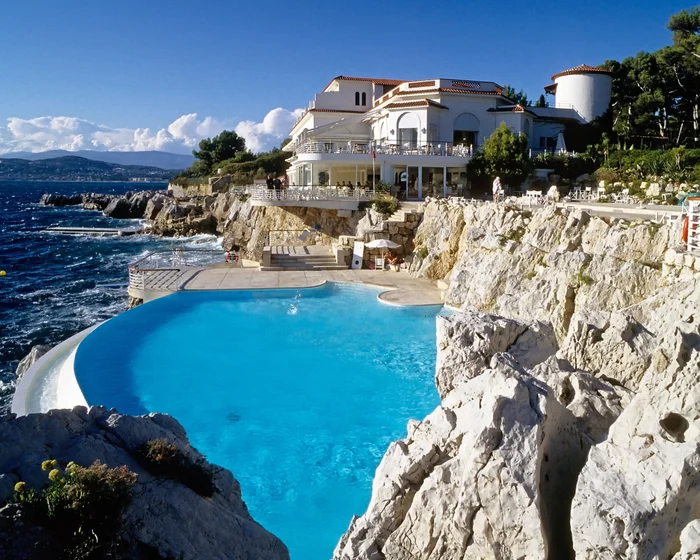
Hotels and beauty spots are increasingly implementing strict rules to limit photography, particularly by influencers and enthusiastic social media users. The five-star Hotel du Cap-Eden-Roc in Antibes, a renowned destination for glamorous clientele, has recently introduced such measures, prohibiting photoshoots without prior approval.
The hotel, known for its stunning views of the Côte d’Azur and a breathtaking infinity pool, has faced challenges from the overuse of its photogenic areas. This has led to the introduction of new policies aimed at maintaining the exclusivity and tranquillity of the premises.
According to the hotel’s management, the new rules are designed to ensure that the experience remains enjoyable for all guests, particularly those who are not engaged in commercial activities. The restrictions are part of a broader trend observed across the hospitality industry, where the presence of influencers and social media users has become a significant concern.
Similar measures have been reported in other high-end establishments, where the influx of photographers and videographers has led to overcrowding and disruption. Beauty spots, such as scenic viewpoints and natural landmarks, are also experiencing similar issues, prompting them to implement their own regulations.
The backlash against content creators has led to a variety of responses, including restricted hours for filming and outright bans. These measures are seen as necessary to preserve the aesthetic appeal and user experience of these locations.
While the hotel’s policy is the most stringent, other establishments are adopting more flexible approaches, such as designated times for photography and clear signage to inform visitors about the rules. The aim is to strike a balance between accommodating social media users and maintaining the quality of the guest experience.
The implementation of these rules has sparked a debate among industry experts and social media users. Some argue that the restrictions are justified to protect the sanctity of these locations, while others believe that they stifle creativity and freedom of expression.
Despite the controversy, the trend towards limiting photography is likely to continue, as more businesses seek to manage the impact of social media on their operations. The challenge lies in finding a balance that respects the rights of content creators while ensuring the continued enjoyment of these spaces for all visitors.