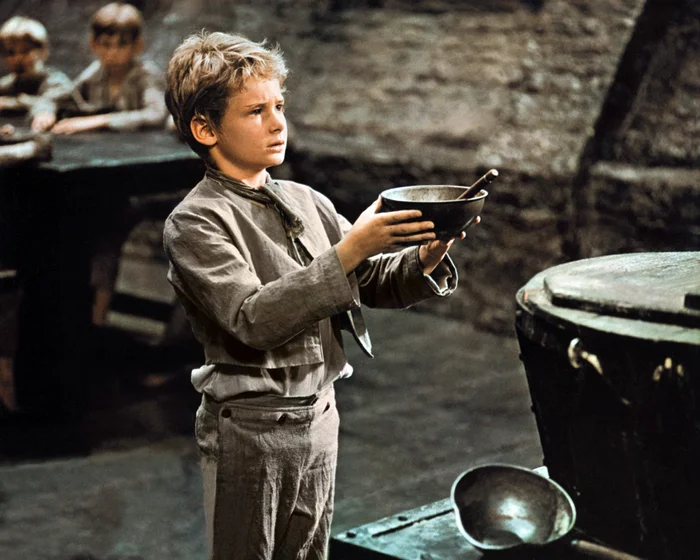
Key Takeaways
- Theresa Musgrove discovered parallels between Alice Shepherd’s experiences and Dickens’s fictional character.
- Alice Shepherd was severely punished in 1836 for asking to take a walk.
- The find raises new questions about the real-life inspiration behind Oliver Twist.
Historian Theresa Musgrove has uncovered a potential real-life inspiration for Charles Dickens’s iconic character, Oliver Twist. In her research for a new book, Musgrove stumbled upon 1836 newspaper reports detailing the harsh treatment of a young woman named Alice Shepherd.
According to the reports, Shepherd, a pauper incarcerated in a Victorian London workhouse, was subjected to starvation and solitary confinement after a magistrate ruled she should be punished for asking to take a walk. This incident mirrors the treatment of Oliver Twist in Dickens’s novel, where the orphan is often denied basic necessities and freedoms.
Musgrove’s findings suggest that Shepherd’s experiences, particularly her request to walk, could have inspired Dickens’s portrayal of Oliver’s plight. The historian notes that Shepherd’s story is strikingly similar to the narrative of Oliver Twist, who is frequently denied simple pleasures and subjected to cruel conditions.
The parallels between Shepherd’s case and Oliver Twist’s story are not just coincidental. The reports describe Shepherd’s severe punishment for a request that, in hindsight, seems trivial. This mirrors the treatment of Oliver, who is often denied even basic human rights and freedoms.
Musgrove’s research adds a new layer to the debate about the real-life inspirations behind Dickens’s works. While many scholars have speculated about various possible sources, the specific details of Shepherd’s case provide a compelling new angle.
Dickens’s portrayal of Oliver Twist is well-known for its vivid depiction of the harsh realities of Victorian poverty and the treatment of orphans. The parallels between Shepherd’s story and the novel’s narrative suggest that Dickens may have drawn on real-life experiences to create his fictional character.
Musgrove’s discovery has sparked renewed interest in the historical context of Dickens’s works. The historian’s findings could lead to a deeper understanding of the author’s motivations and the social issues he sought to address in his writing.
While the connection between Shepherd and Oliver Twist remains speculative, the parallels between their stories are striking. Musgrove’s research provides a new perspective on the real-life inspirations behind one of literature’s most beloved characters.